
What’s on in the USA: a clear guide for entertainment fans
Find out what’s on in the USA and how it affects your favorite concerts, movies, games, and events. A practical, reader-friendly explainer for fans.

If you’re planning a night out or a streaming binge, knowing what’s on in the USA helps you pick smarter picks and get the most out of your favorites. This explainer breaks down what to look for, why it matters for entertainment fans, and how to use a simple resource to stay current. You’ll see concrete steps you can take today to understand schedules, access, and options across media and live events.
First, you’ll understand the core idea: the US calendar is crowded, but a single resource can save you time and stress. Second, you’ll learn how to interpret schedules and regional holds so you don’t miss premieres or screenings. Third, you’ll get practical tips for navigating access, pricing, and content variety without getting overwhelmed.
This guide keeps the focus on what matters to fans: getting accurate info, avoiding spoilers, and choosing experiences that fit your taste and schedule. Follow the steps, and you’ll be able to plan evenings, weekends, and travel with confidence. The aim is to help you pick options that align with your entertainment goals without extra fuss.
- Track what matters: releases, tours, and streams that align with your tastes.
- Choose a reliable source that explains regional access clearly and updates regularly.
- Plan with live events and streaming options to avoid missed chances and unexpected costs.
Basics: what to track
What to monitor in advance
Knowing where lines form for events helps you avoid sold-out disappointments and last-minute scrambles. Start by checking release calendars for films, streaming premieres, and music tours. Note any regional restrictions that might affect access or timing. what's on in the USA can change daily, so this resource helps you stay informed about new releases and schedules.
- Set up alerts for key releases
- Track regional access rules
- Mark your calendar with time zones
How schedules affect viewing
Schedules shape what you can watch live and what you can catch later. A concert in one city may clash with a festival in another, so weighing travel time matters. Streaming windows also define when a title is available for viewing, saving you from accidental spoilers.
How to use a go-to resource
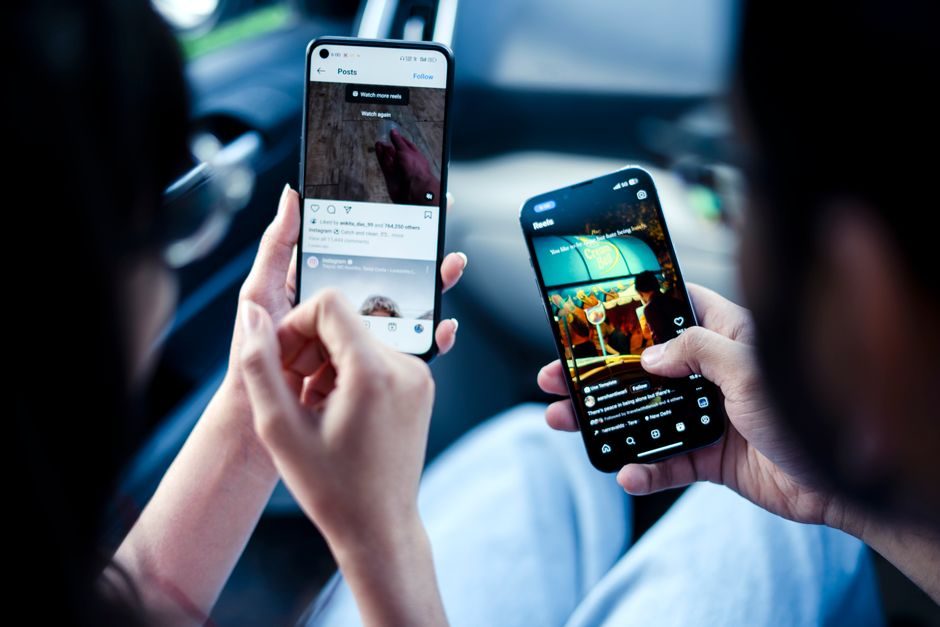
Choosing a reliable source
Look for a resource that updates frequently and covers film, TV, music, and live events. A good source explains regional access clearly and shows dates without hype. It should also offer straightforward filters to tailor to your interests. Solar Eclipse US online offers a specific window for updates during celestial events and related viewing options.
- Update cadence you can trust
- Clear regional notes
- Helpful filters for genres
Why accuracy saves time
Accurate listings prevent wasteful trips and late-night screens. When a schedule shifts, a dependable site notes the change so you don’t chase the wrong time. This saves both money and frustration during busy seasons.
Options: where to look
Live events and streams
Live events require quick decisions and flexibility. Compare venues, seating options, and streaming substitutes to avoid cancellation penalties. A solid plan includes backup dates and nearby alternatives. register your company in the USA often unlocks basic logistical insights useful for productions and touring teams.
- Choose primary and backup options
- Check transport availability
- Keep digital tickets handy
- Know refund policies
- Check streaming cross-availability
- Have a backup date
| Option | Pros | Cons |
|---|---|---|
| Live events and streams | Immediate access, atmosphere | Travel and tickets required |
| Streaming and on-demand | Convenience, catalog variety | Subtitles and regional limits |
| Hybrid mix | Flexibility, control | Management effort |
Streaming and on-demand mix
Streaming offers choices without leaving home, but catalogs vary by provider. Understand which titles arrive first, which stay exclusive, and how add-ons change your price. A practical approach blends free trials with a short-term pass when needed.
Plan spending by listing only the events you will attend or watch in full.
Pitfalls to avoid

Common misreads
Assuming a release date is universal across regions leads to disappointment. Always verify regional availability and time zones before planning. Don’t rely on a single source when calendars shift during peak months. second-hand items for sale in the USA sometimes appear in entertainment-related markets like collectibles and props, worth understanding for fans.
- ☐ Double-check regional dates
- ☐ Confirm time zones
- ☐ Refresh source before events
- Misjudging regional timing
- Overlooking time zones
- Ignoring update notices
Price fatigue and access tricks
High fees and bundled services can add up quickly. Look for legitimate discounts, bundles, or library-like free access options. Plan spending by listing only the events you will attend or watch in full.
- Monitor bundled offers
- Avoid impulse add-ons
- Set a monthly cap
Tips for fans on the ground
Gauging local calendars
Fans in the US benefit from checking venue calendars and city listings to catch premieres, pop-ups, and late-night screenings. Start with major hubs like New York, Los Angeles, and Chicago, then widen to regional events that fit your taste in anime, music, and gaming. This keeps your plans flexible and avoids last-minute ticket scrambles. A useful resource on this topic: online obituaries in the USA.
Another solid move is to sync your calendar with notification alerts for your favorite franchises. Set reminders for release dates, tour announcements, and festival lineups so you never miss a show or panel. A simple note system helps you track conflicts and choose the best option.
Build a short, color-coded reading list of trusted sources—official social channels, venue newsletters, and credible fan pages. This reduces clutter and keeps you informed about schedule changes, venue updates, and last-minute additions. The goal is to stay ahead without drowning in notices.
- Create a weekly docket for releases
- Follow at least three local venues
- Subscribe to two credible entertainment newsletters
- Use a single app to manage events
- Mark backup options for crowded events
How to engage with creators

Direct interaction strategies
Fans can engage from a position of respect by asking thoughtful questions during live chats or after screenings. Prepare two to three topic ideas that connect the creator’s work to broader trends in anime, gaming, or TV. Avoid generic questions and focus on process, influences, and challenges.
- Start with a compliment on craft
- Ask about a specific scene or decision
- Thank them for their time and patience
Platform etiquette matters: comment respectfully, don’t flood feeds, and give space when creators request it. If you’re lucky enough to receive a reply, respond with brevity and gratitude. Building a rapport takes time, not a single reply.
Acknowledge credits and contributions beyond the headliners. Ask about crew roles, animation choices, or sound design to deepen understanding of the craft. This approach adds depth to your appreciation and helps others see behind the scenes.
- Prepare 2-3 thoughtful questions
- Comment with restraint and patience
- Acknowledge broader team contributions
- Reference specific scenes or panels
- Share respectful, constructive feedback
Behind the scenes: production calendars
How calendars shape releases
Production calendars synchronize writing, animation, and post-production so new episodes or releases land as planned. Fans who understand this rhythm can predict mid-season drops and surprise premieres. This awareness also helps you compare two series with similar schedules and manage expectations.
Studios work in cycles that reflect festival seasons, grant windows, and international distribution. Recognize how these cycles influence delays and sudden announcements. Being aware of these patterns makes it easier to spot genuine delays from hype.
Tracking calendars prevents double-booking your fandom, whether you’re chasing a panel or a new soundtrack drop. You’ll learn to prioritize content with the most universal appeal or strongest personal relevance. The result is a smoother, less stressful viewing slate.
- Identify key release windows
- Note festival and award season impact
- Track international rollout patterns
- Compare similar shows side-by-side
- Plan around potential delays
What comes next for entertainment calendars
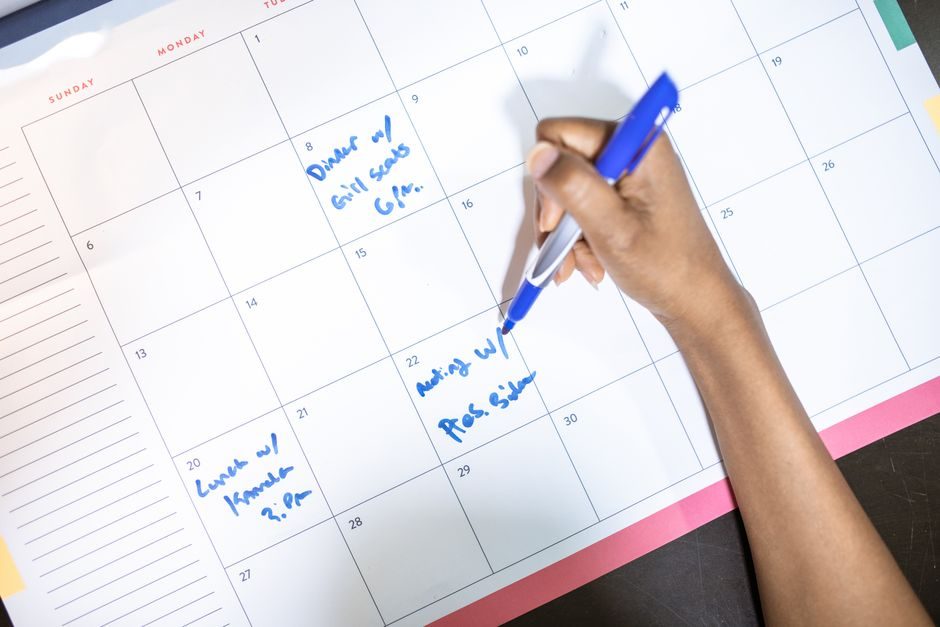
Future-facing calendar ideas
Upcoming formats will blend live events with streaming premieres, creating hybrid schedules fans can track in one place. Expect more mobile-first alerts and customizable filters for genres, languages, and audience age. This helps you tailor your watchlist without feeling overwhelmed.
- Adopt mobile alerts for on-the-go fans
- Balance AI suggestions with official data
- Curate a personal watchlist with clear priorities
Aggregators will rise that merge press tours, festival lineups, and fan events to present a unified picture. You’ll be able to see conflicts and opportunities at a glance, which makes planning easier for busy fans and families. The trick is to pick one trusted aggregator and supplement it with official channels.
AI-assisted previews may offer personalized timelines, but human curation remains essential. Use these tools to surface items you’d otherwise miss, then verify with primary sources. The goal is to stay informed while keeping your own taste at the center.
- Expect hybrid event formats
- Use filters to tailor alerts
- Prefer one trusted source plus official channels
- Be cautious with AI-generated timelines
- Maintain a personal taste-first approach
Frequently asked questions
How do I choose which calendars to trust?Start with official channels, then add one or two industry newsletters that explain changes clearly. Cross-check updates across platforms to avoid conflicting information. This approach minimizes confusion and keeps you on track.
What should I do when schedules change suddenly?Create a short fallback plan that lists nearby venues or streaming options. Prioritize events with flexible tickets or transferable seats, and use mobile alerts to stay updated in real time.
How can I avoid missing out on small events?Maintain a personal alert system for indie panels, pop-up screenings, and regional tours. Follow local venues and fan groups to catch announcements early and act quickly.
Are there signs a major delay is coming?Look for consistent post schedules, repeated postponements without new dates, and statements from multiple official sources. Treat these as signals to adjust your calendar rather than to panic.
Conclusion
Takeaways and next steps
extends with remaining content
Add Anime & Manga News as a preferred source on Google


