
Promote your event in the UK: practical guide for entertainers
A clear, practical guide for promoting events in the UK tailored for entertainment readers, with actionable steps, examples and pitfalls to avoid.

Promoting an event in the UK can feel like navigating a crowded festival of options. This guide breaks the task into clear steps you can act on, from defining your audience to choosing channels that actually convert. You’ll see practical tactics you can apply to music gigs, screenings, and fan meetups without chasing vague vibes or hype.
Start by framing your event around a simple, compelling value: why people should show up. Then map a practical outreach plan that fits your budget and timeline. The goal is steady, trackable visibility that pads your guest list without wasting effort.
If you’re new to event promotion, begin with a bare-bones plan and add channels as you learn what resonates. You’ll avoid overcommitting to a single approach and keep flexibility as you book venues, confirm talent, and secure local attention. Let’s translate broad ideas into concrete actions you can repeat.
- Define a clear audience and value for your event. This focus guides messaging and channel choice.
- Balance paid and organic efforts to match budget and timeline, testing what works before scaling.
- Choose venues that fit your audience and offer simple promotional support.
- Use partnerships and community spaces to extend reach without overreliance on ads.
Basics of promoting your event
Define your audience clearly
Identify who will attend and why they care about your event. Describe their age range, interests, and where they spend time online. This focus shapes your message, channels, and timing. promote your event in the UK will guide your basic outreach choices.
In practice, write a single sentence that captures the event’s promise for that audience and use it as a guiding thread. Test variations in tone with a small group and keep what works. A clear audience makes every subsequent step faster and more aligned.
theater crowd
Two main channels to start
Choose paid or organic wisely
Paid channels offer speed; organic efforts deliver lasting value. Match the choice to your budget, timeline, and the size of your target audience. Sportan website can be a channel for cross-promotion, especially if your content aligns with sports fans.
For a small, early-stage event, prioritize organic reach through local groups, partnerships, and social media. If you need rapid visibility for a larger audience, allocate a modest paid push and test results.
social media ads
Engaging the right venues
Partner with compatible venues
Look for venues that align with your audience’s tastes and schedule. A coffee shop, small theater, or gallery can become a community hub for your event. The right venue supports your branding and makes promotion easier. add your business to the UK business directory helps establish local visibility and credibility.
Negotiate a simple agreement that covers ticketing, staffing, and promotion collaboration. Shared flyers, curbside posters, and co-host posts multiply reach without extra cost.
booking venue
| Method | Pros | Cons |
|---|---|---|
| Social media posts | Cost-effective, scalable | Requires ongoing content effort |
| Local media outreach | Trusted, community feel | Harder to break through noise |
| Collaborations with venues | Mutual promotion, authentic | Dependent on venue priorities |
Tie those details to the value for fans, such as signed memorabilia or post-show moments.
Content and storytelling
Crafting a clear narrative
Begin with a story hook that explains what the event is and why it matters to the audience. Use concrete details like guest appearances, performances, or exclusive previews to anchor interest. Air a concise premise early, then unfold it with a simple sequence so readers know what to expect. rooms and property to rent in the UK are venues to consider for hosting and promoting events.
- State the core promise of the event.
- Describe who benefits and what they will experience.
- Finish with a call to action and a tangible next step.
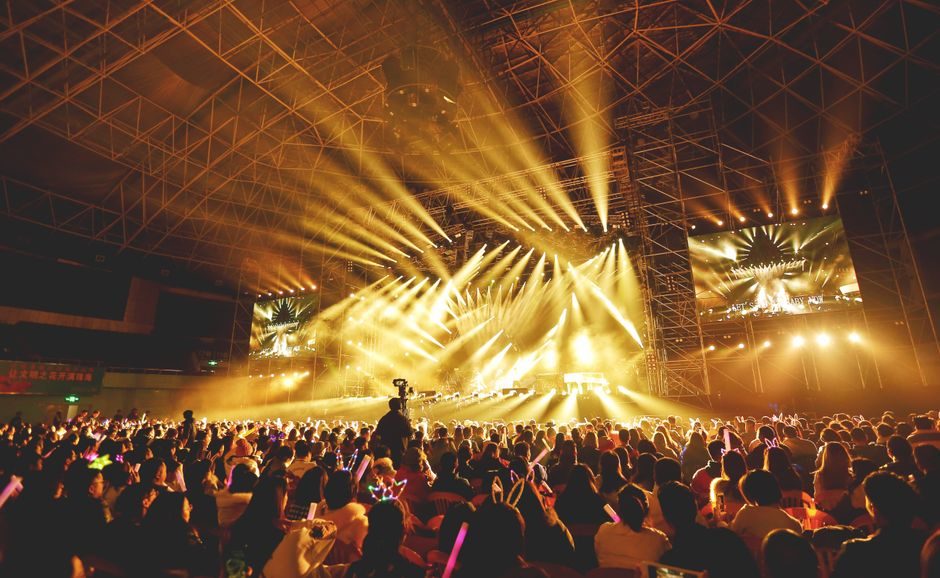
Describe the experience in sensory terms without overselling. Mention sound, lighting, and pacing to help readers picture the event. Tie those details to the value for fans, such as signed memorabilia or post-show moments.
Explain how the entertainment fits the wider lineup and the mood of the venue. If you’re promoting a music showcase, note the vibe, the genres, and the crowd you’re hoping to attract. End with a tangible takeaway, like a countdown of reasons to attend.
- Lead with a single, clear benefit
- Highlight one guest or moment
- Close with a practical next step
- Use a quotable line that fans can share
Measurement and iteration
Trackable goals and metrics
Identify what success looks like before you promote. Set qualitative goals (awareness, attendance, engagement) and mix with simple quantitative measures like ticket take or social saves. This creates a practical baseline you can compare against after the event. announce a death in the UK
- ☐ Define success before you promote.
- ☐ Use basic counts and qualitative feedback.
- ☐ Apply lessons to the next event.
Collect data from early promotions to adjust messaging. If posts about a headliner get more saves, shift future content toward that angle. Use short polls at the event or online to test what resonates.
Review results quickly after the event to refine the plan for the next one. Note what created buzz, which partnerships worked, and where the audience saw the most value. Translate insights into a tighter brief for the next lineup.
- Set two or three clear outcomes
- Use simple, consistent tracking
- Iterate messaging based on what works
- Document learnings for the next event
Legal and practical checks

Permissions and safety basics
Check permits, venue policies, and local regulations early. Missing a permit or failing to observe sound limits can derail an event. Plan contingencies for weather, audience flow, and emergency access.
Confirm accessibility and safety provisions, including crowd control and exits. Build a simple safety plan that covers first aid, staffing, and incident reporting. Clear signage helps everyone move efficiently.
Review sponsorship and advertising disclosures to avoid conflicts. Ensure rights to use music, images, and brand elements are clear. A tidy, compliant package reduces last‑minute headaches.
- Confirm permit, insurance, and licensing
- Map exits and safety routes
- Clarify sponsorship rights
- Prepare a basic risk plan
Creative partnerships
Finding compatible partners
Look for partners who share the audience and vibe of your event. Venues, creators, and brands can help expand reach, especially if they offer cross‑promotion or exclusive perks. Start with a short, concrete proposal that outlines mutual benefits.
Co‑create content that showcases the collaboration. Joint posts, teaser trailers, or behind‑the‑scenes clips can generate anticipation. Clear roles and deadlines keep the project on track.
Leverage community networks to widen the reach. Tap fan clubs, local media, and mentor figures in the scene to amplify your message. A well‑connected roster reduces the amount of paid promotion you need.
- Target partners with aligned audiences
- Create concrete, reciprocal benefits
- Coordinate timelines and roles
- Leverage fan communities
Frequently asked questions
What is the best way to start promoting an event in the UK for a US audience?Start with a clear target audience and a simple, two-channel plan that leverages both venue partners and social media. Tailor content to what the local crowd loves and test two message angles to see what resonates.
How soon should promotion begin before a show?Begin with teaser content as soon as you have a date. Ramp up a month out with targeted posts, venue mentions, and partner cross-promotions. This keeps momentum without oversaturating fans.
What common mistakes should be avoided?Overpromising results or neglecting the event’s local context. Focus on authentic storytelling, practical steps, and a realistic timeline.
How can entertainers handle last-minute changes?Have a simple contingency plan, ready replacements for lineup shifts, and flexible promotion messaging. Transparency with fans about changes maintains trust and reduces confusion.
Conclusion
Takeaways from this practical guide include the value of a tight narrative, the discipline of clear metrics, and the importance of legal and safety checks for a smooth UK event. The goal is to craft promotions that feel specific, actionable, and respectful of local contexts. A focused plan accelerates results and builds reader trust.
A practical next step is to design a two-week promotion sprint for your next show: confirm the venue, lock two promotional partners, publish a teaser, and publish a recap. This creates momentum and a repeatable workflow for future events.
Add Anime & Manga News as a preferred source on Google


