
Registering a USA setup: clear guide for entertainment fans
A practical guide for readers of an entertainment site to understand why and how registering a company in the USA matters for creators, studios, and events.

If you run a film slate, music project, or comic event, registering your company in the USA matters more than you think. This guide explains what you gain—from filing basics to practical steps—without the legal jargon. You’ll see how a US setup can simplify deals, taxes, and partnerships in entertainment.
A US registration isn’t a badge of talent alone; it’s a tool for credibility, access to banking, and smoother licensing. We’ll walk through explainers, concrete steps, and realistic expectations. By the end, you’ll know whether the move fits your project and how to start.
Think of this as a practical map, not a sales pitch. Each step focuses on what matters to creators, producers, and publishers who want smoother operations. You’ll learn to assess risks, choose a structure, and plan timelines that align with festival slots, album releases, or streaming deals.
- Registering a US entity can help with contracts, banking, and licensing for entertainment projects. The guide outlines basics, options, and practical steps. It emphasizes planning, avoiding common mistakes, and staying compliant. Readers will know when and how to start with confidence.
- You’ll see concrete actions: choose a structure, map deadlines, and prepare a starter plan. Each section provides real-world considerations for film, music, and events. The aim is to make a US setup feel manageable, not overwhelming.
- The article uses clear examples and avoids hype, focusing on what matters to creators who work across festivals, streaming, and live venues.
Basics you should know
Why form a company
Starting a company isn’t about prestige; it’s about managing risk and contracts. A formal structure can separate personal finances from project money and simplify licensing. You’ll be able to sign deals as a business, not as an individual, which matters in entertainment where complex rights live in the open. register your company in the USA
- Forms create clear ownership
- Contracts prefer business names
- Bank accounts require business status
What it costs and how long
Costs vary by state and structure, but the process rarely takes longer than a few weeks with accurate filings. Expect a mix of filing fees, registered agent costs, and annual reports. Rushing can cause mistakes that slow your project down or trigger extra fees.
- State fees differ
- Annual reports required in most states
- Hire a professional if you’re new to filings
How it affects your work

Rights and contracts
A US-registered entity can hold licenses and negotiate terms more efficiently. Clear ownership helps in co-production and distribution deals. You’ll find it easier to assign rights to studios, platforms, or venues when the entity exists. Crime News X USA news
- Licenses under business name
- Clear assignment of rights
- Easier deals with studios and platforms
Taxes and banking
A business entity gives you predictable tax handling and easier banking. Even for indie projects, you can separate personal income from project income, reducing personal exposure. You’ll also gain access to business credit and merchant services that support revenue streams.
- Separate accounts simplify audits
- Business credit builds with activity
- Merchant services help handle fans’ purchases
Options you’ll encounter
Popular structures
Many creators start as sole proprietors, then move to a form like an LLC or corporation. Each has implications for liability, taxes, and investor comfort. The choice depends on risk, planned scale, and partner needs. promote your event in the USA
- Choose based on liability and taxes
- Consider future investors
- Keep options open for growth
- Sole proprietorship limits growth
- LLC for liability protection
- Corporation for investors and growth
| Structure | Liability/Taxes | Investor Fit |
|---|---|---|
| Sole Proprietorship | Low | Limited: not ideal for growth |
| LLC | Moderate | Good balance for creators |
| Corporation | Higher | Best for scale and outside investment |
Where to register
You can register in one state and operate nationwide, or register federally in some cases. Most entertainment projects choose a state with straightforward fees and privacy. If you plan partners or cross-state shoots, align with your business plan from the start.
- State choice affects fees
- Privacy rules vary
- Cross-state operations require diligence
Starting a US entity late in a project can create tax and contract headaches.
Common pitfalls to avoid

Underfunding and compliance gaps
Underestimating ongoing costs leads to cash flow problems later. Missing annual reports or failed registrations can trigger fines or more paperwork. Stay on top of deadlines with a simple calendar and reminders. post a job ad in the USA
- ☐ Budget for ongoing costs
- ☐ Track renewal dates
- ☐ Coordinate with tax timing
- Missed filings incur penalties
- Annual reports are routine
- Set reminders for renewals
Wrong timing for setup
Starting a US entity late in a project can create tax and contract headaches. Align setup with financing rounds, licensing milestones, or festival submissions. Planning early avoids rushed decisions.
- Choose a calm start date
- Coordinate with licensing
- Avoid last-minute filings
Pitfalls to avoid
Hidden costs to watch
When you set up a USA entity for entertainment work, unexpected fees can creep in. Taxes, annual reports, and administration can push costs higher than anticipated if you don’t plan. Map out the recurring charges you’ll face so they don’t derail your budget. funeral notices in the USA are a phrase that appears in some legal and ceremonial contexts and should be understood in its proper scope when discussing business registrations.
- Know the steady costs that recur every year, not just the upfront formation fee.
- Schedule reminders for annual reports and renewals.
- Consult a local advisor to avoid common compliance gaps.
If you’re working across borders, currency exchange and banking fees matter. Choose a banking setup with reasonable international transfer costs and clear fee structures. A cautious approach saves headaches when money starts moving between countries.
A sloppy filing habit invites penalties. Keep calendars for tax deadlines, annual reports, and license renewals. Staying organized reduces late fees and compliance stress.
- Set a monthly budget for administrative costs
- Track due dates in a shared calendar
- Choose a bank with transparent fees
- Keep digital copies of licenses and filings
Alternatives and paths

Different ownership models
Your entity choice affects control, taxes, and liability. A simple LLC offers flexibility for individual creators, while a corporation may suit investors and larger teams. Consider how much you want to separate personal assets from business risk.
Some creators use a partnership or sole proprietorship for speed, but these options carry personal liability. Weigh the trade-offs between speed and protection, especially if you’re collaborating with others.
A non-profit path is rare for entertainment ventures but may suit fundraising angles or fan-driven projects. It’s a different set of rules and reporting requirements; study them carefully before choosing this route.
- LLC offers liability protection and flexible management
- Corporation may enable investment
- Partnerships share both risk and responsibility
- Non-profit needs mission-focused compliance
Taxes and ongoing compliance
Tax obligations for entertainment ventures
Entertainment projects often generate niche streams of income, from licensing to streaming royalties. Your tax approach should reflect how money moves across borders and how you classify services. Keep receipts and contracts organized to simplify when you file.
- Set up a simple chart of accounts tailored to entertainment work.
- Automate recurring entries where possible to reduce manual errors.
Most creators benefit from quarterly estimates if they expect to owe taxes. Regular payments prevent year-end surprises and fines for underpayment. Align your bookkeeping with the tax calendar so everything balances.
A clear record-keeping system helps with audits and deductions. Track income by project, retain agreements, and document expenses tied to production and distribution. Good records speed up reviews and maximize eligible deductions.
- Track income by revenue stream
- Retain production and distribution contracts
- Document travel and equipment costs
- Stay current with local filing requirements
Quick-start checklist
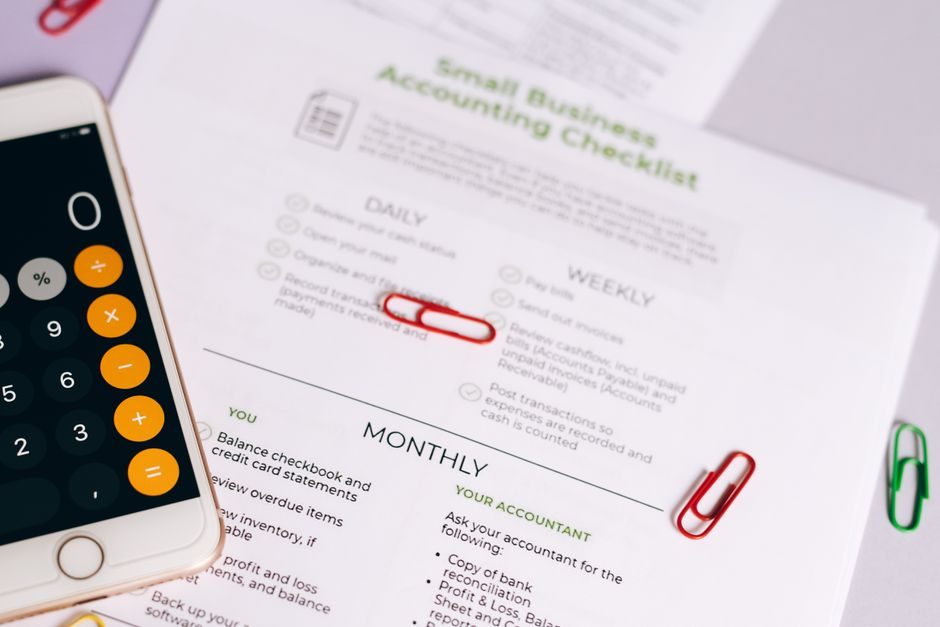
First steps to launch
Begin with a simple business plan that fits an entertainment project’s scale. Define the core activity, target audience, and revenue streams. A focused plan helps you pick the right structure and partners.
Open a US bank account if you’ll handle money in dollars and need straightforward payroll or vendor payments. Choose a bank that supports international transfers with predictable fees.
Register your entity in the right state and file the necessary documents. Start with a minimal viable framework, then scale as your project grows.
- Draft a one-page business plan
- Open a USD bank account
- File preliminary formation documents
Frequently asked questions
Do I need to register a company in the USA if I only work with US fans online?Not always. If income is minimal and production stays small, registration can wait. If you plan to hire people, license content, or receive payments, formal setup helps avoid personal risk and clarifies contracts. Start by outlining expected revenue streams and collaborators. Then decide if a simple structure suffices or if a formal entity is wiser.
Which state is best for registration for entertainment projects?There isn’t a single best state; choices hinge on tax considerations, where you operate, and your investors. Delaware and Nevada are popular for corporate structures, while some creators prefer their home state for simpler compliance. Discuss the options with a local adviser who understands media projects.
How do ongoing compliance tasks affect a music or film project?Ongoing compliance affects contract timing, licensing, and tax reporting. Regular bookkeeping, license renewals, and timely filings prevent delays in productions and payouts. Establish a routine that aligns with your project’s cycles—production, post, and distribution.
Is there a risk of double taxation for international creators?There can be if income is taxed in more than one jurisdiction. Tax treaties and foreign tax credits can help, but you’ll need careful documentation. Work with a professional who can map your earnings, jurisdictional rules, and any treaty relief.
Conclusion: take the next step
The guide gives you a practical path to structure, register, and manage a USA setup tied to entertainment projects. Focus on a simple start, then layer in compliance as you grow, so you stay flexible and protected.
Reach out to a local CPA or attorney who specializes in media businesses to tailor the plan to your project. A quick consult can prevent weeks of back-and-forth later on filings and licenses.
Add Anime & Manga News as a preferred source on Google


