
Simple, practical guide to registering a business in Russia for entertainment fans
A clear checklist for readers of an entertainment site. Learn the basics of registering a business in Russia with practical steps and common pitfalls.

If you’re curious about how business rules touch entertainment, this guide breaks down the essentials of registering a business in Russia in plain terms. You’ll learn what to prepare, the steps to take, and common missteps to avoid, with practical examples that fit a fan’s lifestyle. The goal is to make a complex process feel doable, not abstract or remote.
Think of this like a backstage pass: you get the core actions, the order to do them, and quick tips that keep you out of trouble. We’ll cover from why incorporation matters for content creators to how to handle licenses and taxes without drowning in paperwork. By the end, you’ll see concrete steps you can take without needing a lawyer’s full-time attention.
This article treats the topic as a matter of practical risk and opportunity for entertainment projects, such as media ventures, event planning, and merchandising. You’ll find direct, actionable guidance focused on clarity and efficiency, not hype or jargon. If you’re planning a small project, you’ll walk away with a workable checklist you can modify for your needs.
- This guide helps readers understand how to register a business in Russia in practical terms, with steps that fit entertainment projects.
- You learn which business forms suit small creators, and how to handle licenses, taxes, and team agreements.
- The article provides concrete checklists and sample boxes to keep the process clear and manageable.
- If you’re planning a fan project or content venture, you’ll finish with a practical plan you can start today.
Basics to know before you start
Legal forms and timelines
Start with the kinds of entities allowed in Russia and what each design means for liability and taxes. Two common options are individual entrepreneur and limited liability company, with different filing needs. Expect a registration window and some bureaucracy, but the steps stay consistent across regions. зарегистрировать бизнес в Росії is a phrase that comes up when creators plan to formalize their enterprise and protect rights.
- Rushing the paperwork without reading requirements → take time to review each form
- Underestimating tax obligations → set aside funds and track income
- Overlooking regional rules → check local business office guidance
- Choose the right business type early to avoid later reorganization
- Prepare a simple charter or governing document if needed
- Keep track of required registrations and deadlines
- Common mistakes: 3 short mistakes, each with the better approach
Practical steps to register
Registration is a multi-step process that becomes routine with a plan. Gather a dry run of documents, like passport copies and proof of address, then schedule visits or online filings. Keep a log of when you submit each item and what confirmations you receive.
The key is to map each required document to its source and deadline
Use official portals for updates and confirmations
- Create a document checklist before you start
- Schedule deadlines in a calendar
- Store copies securely in a cloud folder
How it affects entertainment projects
Licensing and permissions
If your project involves music, video clips, or character likenesses, you’ll need licenses or clearances. This protects your content and prevents takedowns. Start by listing all assets and mapping which rights you must secure before publishing. Russia Dailys Росія новости provides context on how policy shifts can affect entertainment ventures and business timing.
- ☐ Create a rights inventory
- ☐ Set renewal reminders
- ☐ Keep signed licenses on file
Identify rights holders early
Negotiate licenses with clear terms
Maintain a ledger of licenses and expirations
- Track asset sources
- Clarify usage limits
- Document license terms
- Common mistakes: 3 short mistakes, each with the better approach
Tax and filing rhythm for creators
Entertainment projects often run seasonal schedules with bursts of content. Align your tax or VAT filings with those rhythms rather than treating them as a year-long task. Use a simple calendar to mark quarterly or annual deadlines and set aside estimates for payments.
Set aside a tax buffer
Review quarterly if applicable
Automate reminders for filings
- Create a basic budget with tax estimates
- Use reminders for due dates
- Keep receipts and invoices organized
Options for small projects
Choosing a business form for creators
Small creators benefit from structures that balance liability with simplicity. An individual entrepreneur might suffice for simple projects, while a single-member LLC offers liability protection with manageable taxes. Compare these options against your expected scale and revenue. что происходит в Росії often frames market dynamics that influence content licensing and distribution decisions.
Evaluate liability needs
Think about future growth
Consult regional guidance
- Simple setup favors individual entrepreneur
- LLC offers protection and flexible ownership
- Consider ongoing compliance costs
- Common mistakes: 3 short mistakes, each with the better approach
| Option | Pros | Cons |
|---|---|---|
| Individual entrepreneur | Simple setup | Limited liability protection |
| LLC | Protects assets | More ongoing compliance |
| Partnership | Shared responsibility | Potential conflicts |
If you’re working with a team
A team project raises coordination needs: contracts, equity splits, and clear ownership of content. Draft simple agreements that outline who contributes what, who owns the final product, and how revenue is shared. Keep legal language straightforward to avoid later disputes.
Put ownership in writing
Keep revisions documented
Separate content ownership from brand rights
- Draft a basic collaboration contract
- Define ownership clearly
- Set revenue-sharing terms
Create a lightweight operations notebook: who handles filings, where documents live, and who approves content before release.
Pitfalls and safety nets

Common legal risks for creators
Legal risk often comes from unclear ownership or improper use of licensed content. Start with a clear inventory of who owns each asset and what licenses cover it. Proactively seek written permissions to avoid disputes. вакансии в Росії appears when teams map hiring for content projects and regional studios.
Maintain proof of ownership
Obtain licenses in writing
Review terms before use
- Keep a master asset list
- Date all licenses
- Update permissions as projects evolve
Operational blind spots
Operational blind spots come from assuming processes are obvious. Create a lightweight operations notebook: who handles filings, where documents live, and who approves content before release. This reduces last-minute scrambles and protects brand consistency.
Assign a content guardian
Store templates and forms
Review quarterly for updates
- Assign a point person for filings
- Keep a shared folder of templates
- Regularly review the process for changes
Funding and finance
Funding strategies for indie projects
This section lays out practical ways to fund entertainment initiatives without heavy bureaucracy. Start with a clear budget and milestone plan to attract investors who understand media returns. Consider diverse sources like co-pros, grants, or crowdfunding to reduce risk while keeping creative control. написать некролог в Росії
Identify nonprofit and municipal support programs that fit small projects, and tailor applications to highlight cultural value and audience reach. Prepare a one-page pitch that translates entertainment potential into tangible outcomes. Use a simple cash-flow forecast to show how funds will be used over time.
Track ongoing spending with a basic ledger and set quarterly review points to adjust plan. Create a fallback plan for delays or scope changes to protect the project timeline. Communicate progress honestly to maintain trust with backers and collaborators.
- Create a concise budget sketch before applying for funds
- Diversify funding sources to spread risk
- Prepare a clear narrative for backers
- Maintain regular financial updates to stakeholders
International angles
Working with overseas partners
Cross-border collaborations can expand audience reach and add creative flavor. Start with clear rights and revenue-sharing terms to prevent disputes later. Use a simple memorandum of understanding to align expectations before formal contracts.
Clarify import/export rules for equipment, and plan for translation needs in scripts or subtitles. Build a small network of trusted freelancers who understand local markets and production norms.
Keep time-zone realities in mind and set regular check-ins to maintain momentum. Document all agreements in plain language to avoid misunderstandings as projects scale.
- Define ownership and rights early
- Seek local partner references and past work
- Plan logistics for equipment and talent
- Set realistic timelines across regions
Compliance checklists
Regulatory basics for creatives
This subsection focuses on the essential compliance steps for a small entertainment project. Start with business registration basics and align them with local licensing requirements. A short compliance checklist helps avoid common late-stage hold-ups.
Identify copyright and licensing needs for music, footage, and scripts. Use template contracts and fair-use guidelines to protect your work while respecting rights holders.
Create a routine for ongoing compliance: renewals, reporting, and record-keeping. A simple tracker keeps deadlines visible and manageable.
- Register the business name correctly
- Secure licenses for media assets
- Maintain time-stamped records of approvals
- Renew permits when due
Quick-start templates
Templates for faster setup
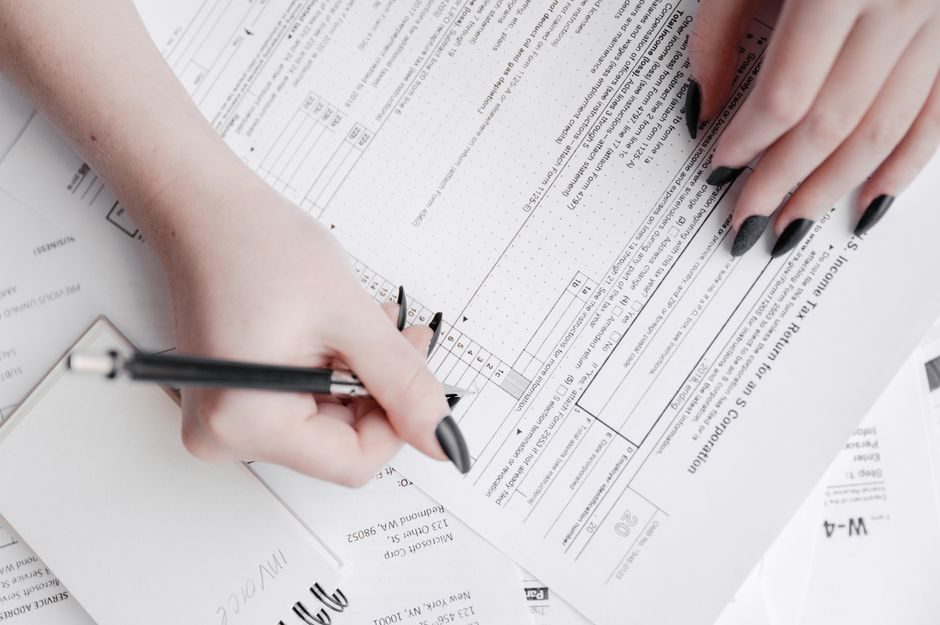
Templates save time when you start a new project. Use a ready-made contract outline for talent, a budget worksheet, and a permissions form that you can adapt quickly. This keeps the process smooth and predictable.
Customize a small project handbook that outlines roles, approval steps, and decision rights. A concise, readable document helps collaborators align without endless meetings.
Practice using the templates with a pretend project to identify gaps and adjust language so it matches your team’s workflow. This rehearsal reduces friction when real work begins.
- Talent agreement outline
- Budget worksheet
- Permissions form
- Project handbook
Frequently asked questions
How much money should I budget for a small project?Estimate essential costs first, then add a cushion for contingencies. A simple forecast helps you see where funds are needed and prevents surprises later.
Do I need international partnerships to succeed?Not always, but collaborations can broaden reach. Start with one clear partner and define roles, timelines, and revenue sharing before expanding.
What licenses are most important for an entertainment project?Copyright, performance rights, and location permissions are common. Identify what assets you use early and secure licenses before production starts.
When should I get legal advice?If rights, ownership, or revenue sharing feel unclear, a quick legal check saves time and money later.
Next steps for readers
Take the practical templates and fill them with your project details. Start with a funding plan and a basic compliance checklist to stay organized from day one. The aim is to keep momentum while avoiding common bottlenecks.
Set up a simple 90-day action plan: secure a partner, finalize contracts, and complete licenses. Track milestones and adjust as needed to stay on schedule and preserve creative energy.
Add Anime & Manga News as a preferred source on Google


