
How to use industry guides for entertainment pros in Germany
A practical guide for entertainment readers: how to access a Branchenverzeichnis in Deutschland and leverage it for events, media coverage, and buying/selling.

You want solid, workable steps to use a German industry directory for entertainment needs. This guide shows how a Branchenverzeichnis in Deutschland can help you find venues, crew, and partners for events, press days, and shoots. You’ll learn practical ways to verify listings, compare options, and move from discovery to booking with confidence.
Whether you cover movies, music, or gaming events, having a reliable directory speeds up planning and reduces misfires. We’ll walk through concrete actions, with real-world examples and quick checks you can apply today. Expect clear, no-fluff guidance you can actually reuse when chasing stories or coordinating production.
By the end, you’ll know which steps matter most, the right questions to ask, and how to avoid common traps that slow down a project or derail a feature.
- Find credible German industry listings and use them to plan events, shoots, and coverage with confidence.
- Verify listings, compare options, and build a short list of reliable partners for your entertainment projects.
- Draft a practical contact plan, secure permissions in writing, and keep a simple log to avoid delays and misunderstandings.
Basics of finding listings
What to look for in listings
Start by confirming a listing’s current status and contact path. Look for a name, location, and a reliable contact method that you can actually use. Note whether the directory provides category filters for easy sorting, such as venues, services, or media contacts. Branchenverzeichnis in Deutschland helps you kick off the search with a trusted directory.
This initial scan saves time by removing outdated or irrelevant entries. If you encounter vague descriptions, mark them for follow-up rather than assuming availability. A crisp listing often includes a map, hours, and a short service note.
Check for user ratings or editor notes to gauge credibility without overemphasizing sentiment. Use these cues to build a short list of trustworthy options to explore further.
- Verify contact details before reaching out
- Cross-check location on a map
- Note entry freshness and last update
- Filter by category and location
- Record a first impression of response speed
Making the initial contact
Craft a concise, professional outreach email that states your project, timeline, and what you need from the listing. Mention a specific date if you have one and request a brief reply with availability.
Keep messages targeted; avoid generic pitches. A short ask often yields faster, clearer responses. If you don’t hear back in a week, send a polite follow-up with a point-by-point checklist of your questions.
Track replies to compare responsiveness and helpfulness. This helps you choose partners who align with your schedule and style.
- State project scope and date clearly
- Ask for availability and rates upfront
- Request next-step concrete details
- Record response quality and speed
- Plan a follow-up if needed
How to verify credibility

Trust signals to notice
Look for a professional website, a clear business address, and contact options beyond a contact form. Credible directories usually list affiliated organizations or partners, and provide some form of third-party validation. Wie Machen Deutschland Nachrichten can guide you to understand how information flows in German media.
Avoid entries with incomplete profiles or vague descriptions. A well-maintained page signals ongoing activity and reliability. If the listing includes press mentions, check their context and relevance to your project.
Consider cross-referencing with industry groups or trade associations. A quick check can confirm legitimacy and reduce risk in bookings or collaborations.
- Check for complete profiles
- Look for independent validation
- Review recent updates
- Cross-check against associations
- Note consistency across listings
Comparing options effectively
Create a simple scoring system for each listing you’re considering. Include factors like location, availability, price range, and responsiveness.
Use a spreadsheet or note to keep answers side-by-side. This makes it easier to see trade-offs, such as a longer drive for a closer venue or faster response for a critical shoot.
Prioritize listings that offer a couple of option sets, not just a single choice. This gives you contingency when plans shift.
- Score by location and timing
- Record responses and terms
- Prefer multiple options
- Note constraints and flexibility
- Update scores after each interaction
Understanding local event networks
Where listings connect to events
Many listings tie to recurring events, press days, and local talents. Mapping these connections helps you find partners who understand the local scene and its timing. Veranstaltung melden in Deutschland can show you how to announce events properly.
Identify recurring venues or services that frequently host launches or screenings. This makes it easier to plan a sequence of coverage or collaborations.
Use the directory to spot patterns: preferred KPIs, common venues, or preferred service partners you can trust for future projects.
- Identify recurring venues
- Note common partners
- Look for event calendars
- Track timing and seasonality
- Leverage trusted relationships
| Option | Pros | Cons |
|---|---|---|
| Venue-based | Direct access to spaces, clear rights | Limited availability; higher cost risk |
| Service partners | Specialized support, known workflows | Availability varies; may require contracts |
| Media-friendly venues | Better press access, staged interviews | May need tailored permissions |
Planning around peak seasons
Entertainment calendars fill up quickly around film releases, festivals, and major game launches. Early access to listings can give you leverage when coordinating interviews or on-site filming.
If a venue or service has limited slots, you may need to secure earlier in the cycle. This reduces the risk of last-minute scrambles and missed opportunities.
Document peak periods so you can align outreach with industry rhythms and avoid dead zones.
- Note peak release windows
- Secure slots early when possible
- Prepare backup options
- Coordinate with media teams
- Track to avoid clashes
Prioritize high-impact targets that align with your story arc and audience interests.
Using listings to plan coverage
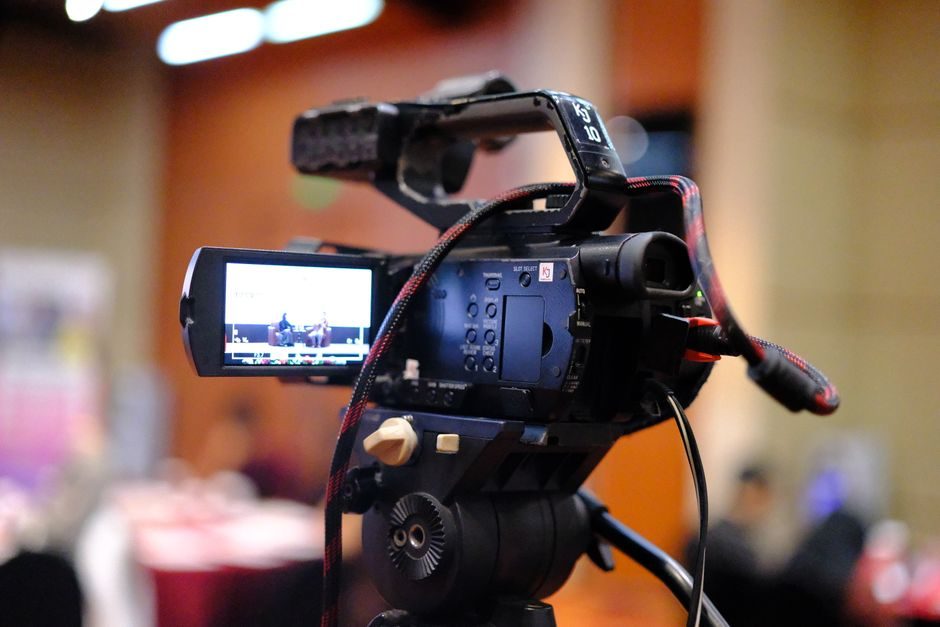
Drafting a coverage plan
Use the directory to identify potential interview targets, filming locations, and partners for shoots. Create a rough calendar with contact windows and拍 locations. Gebrauchtes zu verkaufen in Deutschland can be useful if you’re assessing promos or set pieces for resale.
Prioritize high-impact targets that align with your story arc and audience interests. A clear plan keeps production on track and ensures timely publish dates.
Share the plan with your editor or producer for quick alignment and avoid scope creep during production.
- Identify interview targets
- Schedule filming windows
- Align with editorial goals
- Clarify permission and access
- Maintain publish deadlines
Handling permissions and fees
Directories help you locate rights holders and venue managers, but you still need written permissions and clear license terms. Start with a simple rights outline and ask for written confirmation.
Negotiate terms early, especially around usage, duration, and location permissions. Keep everything in writing to prevent later disputes.
Track approvals and keep a master file of licenses, releases, and contact notes to simplify re-use of footage or quotes.
- Get written permission
- Clarify usage rights
- Document licenses and releases
- Track contact notes
- Preserve a master rights file
Advanced options
Enhanced listings for pros
This section explores richer listing entries that go beyond basic contact details, including service areas, recent projects, and media mentions. It shows how entertainment pros can filter directories by genre, location, and production type to speed up research. Expect practical examples of what to look for when evaluating a listing’s usefulness for coverage planning. Traueranzeige online in Deutschland
- ☐ Identify at least two listings that clearly show recent activity and contact details.
- ☐ Note any listings that provide a media or press kit link for quick review.
- ☐ Keep a simple file with 3–5 standout entries for future reference.
Real-world examples help you spot credibility quickly: see a directory with updated dates, a clear contact person, and a portfolio of recent work. You’ll learn to distinguish active, useful entries from stale ones. The goal is to save time while gathering reliable leads for interviews or event invites.
When you compare options, use a simple scoring sheet: recency of updates, completeness of profile, and evidence of industry relevance. This mental checklist helps maintain consistency across beats. A small investment in upfront vetting yields better coverage decisions later.
- Recent activity visible in the listing
- Clear contact person listed
- Portfolio or project samples included
- Regular updates shown when available
Digital tools to manage listings

Organize with a tracker
A tracker helps you keep track of which listings you’ve contacted, followed up with, or archived. Start with a simple spreadsheet that notes the directory name, relevance, and status. This keeps your outreach consistent across beats and regions.
Automation can handle repetitive tasks like reminders and status updates, but human judgment remains essential for prioritizing high-impact outlets. Review alerts weekly and adjust your focus to align with upcoming events or premieres.
As you grow, consider tagging entries by beat (film, TV, music) and by region to speed up future coverage planning. A clear taxonomy reduces search time and misfiled notes.
Legal and rights basics
Permissions for coverage
Understand what rights are needed when reporting events, attending premieres, or quoting participants. Most basic press access requires a valid credential and a clearly stated affiliation. Stay cautious about image rights for behind‑the‑scenes material and confirm usage limits before publication.
- Keep a short file of permission confirmations for each major event you cover.
- Note any restrictions on image or video use.
- Review rights before publishing to avoid retractions.
Always keep a record of permission notices and the scope of usage. If a listing offers media kits, check what assets are allowed and for how long they can be used in your stories.
When in doubt, reach out to the event team or PR contact for written confirmation of permitted use. A brief email clarifying rights prevents later disputes and editorial delays.
- Know credential requirements
- Check usage rights for images and clips
- Request written permissions when needed
- Keep a log of permissions and revocations
Final quick checks
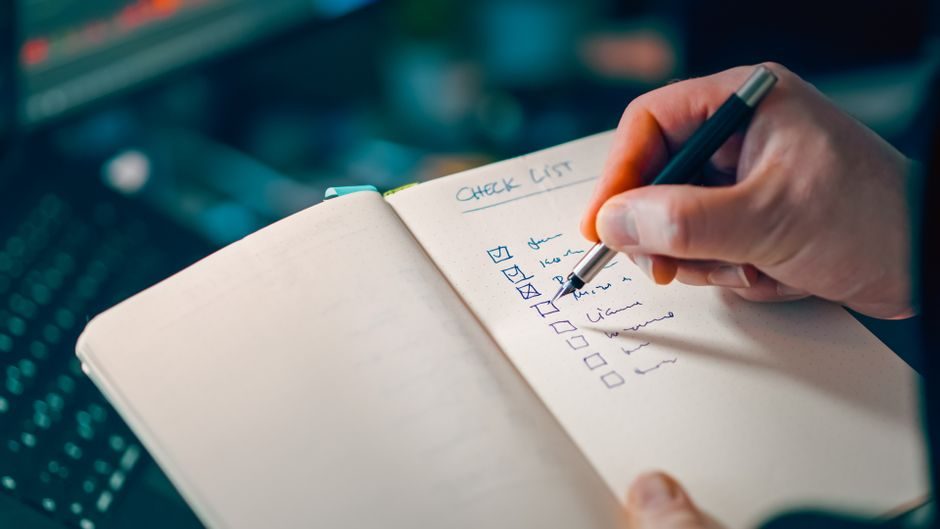
Before you publish
Do a last pass to confirm names, spellings, and affiliations. A single typo can undermine credibility in an entertainment beat. Double-check facts against at least two sources when possible.
- Verify facts with two sources when feasible.
- Confirm spellings and affiliations.
- Test all links before publish.
- Prepare a brief correction plan if needed.
Ensure the tone matches your outlet’s voice and the piece’s angle. An incorrect vibe can mislead readers about a celebrity or event.
Run a final check on embedded links or quoted material to prevent broken paths or misattribution. Prepare a short correction note if an error slips through.
- Double-check spellings
- Verify affiliations
- Test links and quotes
- Prepare a brief correction plan if needed
Frequently asked questions
What makes an industry directory valuable for entertainment coverage?A valuable directory consolidates credible contacts, up-to-date event calendars, and media assets in one place, reducing search time and the risk of chasing outdated information. It helps you line up interviews, premieres, and press passes efficiently, while giving you a consistent starting point for beat reporting.
How should I verify a listing’s credibility quickly?Look for recent activity, a clear contact person, and a portfolio or recent projects. Cross-check the listed event dates with official announcements and confirm credentials with the venue or PR contact before requesting interviews. If something feels off, note it and move on to verified entries.
What about rights when using materials from listings?Always seek written permission for usage beyond basic press excerpts. Verify image and video rights, duration, and distribution limits before publishing. When permissions are unclear, ask for official guidance rather than risking a publish‑after‑the‑fact dispute.
How often should I audit my listings?Run a light audit monthly to remove stale entries and add fresh sources tied to upcoming premieres or festivals. A deeper quarterly review helps you prune duplicates, refine searches, and adjust to changing event calendars.
Final takeaways
A focused approach to industry guides saves time and sharpens coverage. Start with a tight list of trusted sources you actually use, then expand only if needed.
Consistency in routine and rights management prevents delays and errors during busy periods like festival season. Establish a weekly check, credential review, and a quarterly directory audit to stay prepared.
Add Anime & Manga News as a preferred source on Google


