
How to place an ad in Rome for entertainment fans: a clear guide
A practical, reader-friendly guide for posting an ad in Rome. Step-by-step tips, common pitfalls, and concrete examples tailored for entertainment readers.

If you’re promoting a show, premiere, or fan event in Rome, this guide gives you a straightforward path to placing an ad. You’ll learn the best steps, what to expect, and how to avoid common missteps so your message reaches the right crowd. The focus stays on entertainment readers who want results, not fluff.
First, identify the platform that fits your event and audience. Then draft a clear, compelling offer that aligns with Rome’s scene—from indie screenings to big concerts. Finally, monitor feedback and adjust your approach to maximize engagement without overspending.
By the end, you’ll have a practical plan for Inserire un annuncio a Roma that works for your project and your budget, with examples you can adapt for music, film, or gaming launches. This isn’t theoretical—it’s a real-world path you can start today.
- Identify the best Rome-focused channels for your event and tailor the message to the local audience.
- Craft a clear benefit with a direct call to action, and ensure all essential details are visible.
- Use a mix of digital and print where appropriate, and adjust based on performance.
Basics to get started
Choosing the right channel
Start by listing where your audience spends time: venues, cultural hubs, and popular local sites. Compare a digital board at a cinema with a social feed post tailored to fans. The choice should reflect the event’s vibe and expected turnout. inserire un annuncio a Roma is a straightforward step for promoting an event in the city.
- Identify two or three Rome-focused platforms relevant to your event
- Create a concise one-line value proposition
- Choose your media format (image, text, video) and adapt
- Publish and track responses, then adjust if needed
Draft a simple offer: what’s unique, where and when it happens, and how to act now. Use action words that match the space—buy, RSVP, attend—without overpromising results.
Consider timing: early birds for premieres, last-minute tickets for close-outs. Align your deadline with peak activity days to maximize visibility.
- Pick channels that match your crowd
- Make the offer clear and urgent
- Set a concrete deadline
- Test one variation before locking in
Understanding costs and limits
Budgeting matters even for small gigs. Consider cost-per-impression, length of ad, and whether placement is guaranteed. High-traffic venues may require more creative reach but pay off with broader exposure.
Balance is key: cheaper slots can still perform well if your copy is sharp and tailored to the audience. Reserve a portion of your budget for a boosted post during peak hours.
Avoid overinvesting in a single channel; spread your effort across a few compatible places to diversify risk.
- Avoid big overspending on one channel
- Test creative with small spends
- Schedule boosts during peak times
- Track basic metrics like reach and clicks
How to craft the message
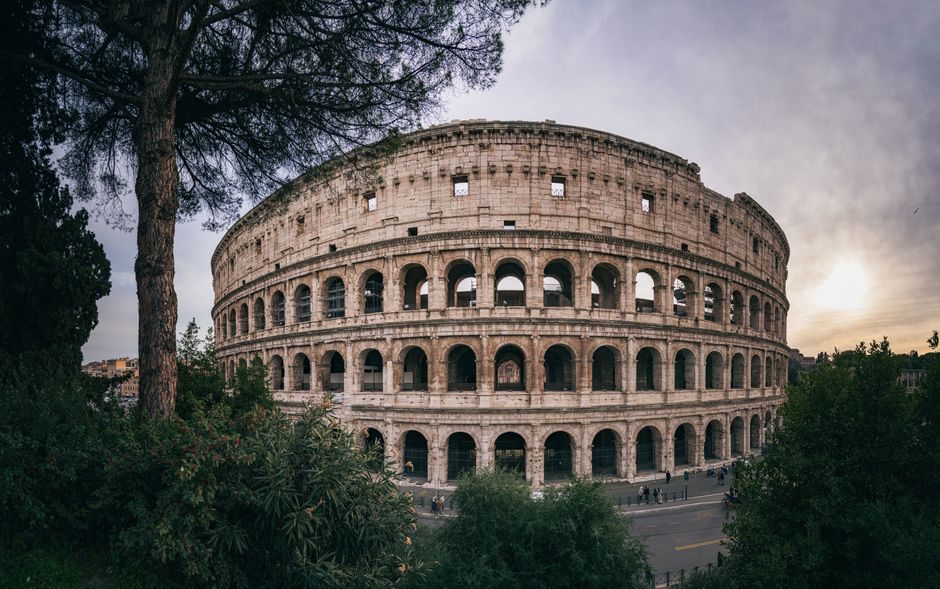
Clear value and call to action
Lead with the core draw: what makes this event worth attending in Rome? State the benefit in one line, then follow with key details. The CTA should tell readers exactly what to do next. Make sure to check the latest updates with ultime notizie Roma so you time your posts well.
Keep the language active and concrete. Avoid vague promises and use direct verbs like join, discover, or secure your seat. Your message should feel timely and relevant to local fans.
Include practical details—date, venue, tickets, and accessibility options. When possible, mention what fans can expect to see or hear that isn’t available elsewhere.
- Lead with a strong benefit
- Use direct calls to action
- Provide essential logistics
- Highlight exclusive or local appeal
Visuals that speak to fans
Images should capture the mood of the event—thrills for a game launch or intimacy for an indie film. Use Rome landmarks as a subtle backdrop to anchor the message locally.
Ensure the visuals align with the copy. A high-contrast poster with bold typography can work across digital and print, but keep brand consistency.
Test different thumbnails: a performer shot, a crowd moment, or a candid backstage scene to see what resonates.
- Use mood-forward visuals
- Keep branding consistent
- Test multiple thumbnails
- Local landmarks as context
Options for placement
Digital vs print choices
Digital placements offer targeting options like age, interests, and location. They’re good for ongoing visibility and flexible budgets. Choose placements that align with your event’s schedule and expected audience pace. pubblicare un evento a Roma should be paired with local guides and calendars for best effect.
- Select 2-3 digital platforms popular in Rome
- Choose a couple of local print opportunities
- Coordinate timing across channels
- Evaluate weekly performance and adjust
Print options, from posters to program inserts, work well for venues and fan spaces where people linger. They can harden your presence in the local scene when digital reach is uneven.
A mixed strategy often yields balance: steady digital presence with targeted print inserts at key venues can maximize reach.
- Digital offers targeting
- Print reinforces local presence
- Mix for balance
| Option | Pros | Cons |
|---|---|---|
| Digital ads | Targeted reach and flexibility | Requires ongoing optimization |
| Print posters | Local presence and venue visibility | Limited tracking and reach |
| Event listings | Audience-specific exposure | Dependence on platform policies |
Timing and sequencing
Align your rollout with event milestones—announcement, early bird, final call. Each step should trigger a new piece of content tuned to the audience stage.
Create a simple calendar that maps slots to audiences. For example, a teaser midweek, a reminder on the weekend, and a last-call message on closing day.
Coordinate with venue schedules and deadlines to avoid conflicting messages or overlapping promotions.
- Plan milestones in a calendar
- Publish stage-specific content
- Coordinate with venue timelines
- Avoid message clashes
Always include a realistic CTA and a way to follow up if details change.
Common pitfalls to avoid
Overpromising and underdelivering
Make promises you can keep. If tickets are limited, state that clearly and avoid implying wider availability. Audiences quickly lose trust when expectations aren’t met. trovare attività a Roma can boost engagement when paired with targeted promotions.
Avoid jargon or generic claims that don’t translate into real benefits. Readers respond to concrete details they can verify.
Always include a realistic CTA and a way to follow up if details change.
- No exaggerated claims
- No vague benefits
- Provide verifiable facts
- Offer a clear fallback path
Ignoring local rhythms
Rome has busy days and quiet ones. Publishing all at once can get buried. Space content to land on days with high audience activity.
Neglecting accessibility or inclusivity can alienate potential attendees. Ensure language, imagery, and venues are open to all.
Forgets to test: without small tests, you might miss what resonates locally.
- Timing matters
- Be inclusive
- Test and learn
Audience engagement
Targeting the right crowd
Start by defining who you want to reach: locals, tourists, fans of a specific show, or cinema-goers. This shapes where you place the ad and what it says. Use concrete examples, like promoting a screening or soundtrack release to fans of a particular genre. annunciare un decesso a Roma
- ☐ Identify the target group and tailor the message accordingly.
- ☐ Include a clear call-to-action and venue details.
- ☐ Monitor early feedback and adapt quickly.
Craft a message that speaks to interests, not generic hype. Mention dates, venues, and what makes the event unique, such as a guest appearance or a limited edition collectible.
A practical test is to run a small, time-bound teaser first and gauge reactions through replies or comments. If engagement is weak, refine the offer or adjust the channel.
If you want to boost engagement, pair the ad with a visually striking image and a short, punchy call-to-action that tells people exactly what to do next.
- Define your reader persona
- Choose channels that align with that audience
- Lead with a concrete benefit
- Close with a clear action
Legal and privacy notes
Permissions and consent
Understand what permissions you need before posting an ad in public spaces or online. In many places, you must avoid misleading claims and ensure consent from organizers or venues. This helps you stay compliant without losing impact.
- Get written approval for the event or offer.
- Respect privacy by not sharing personal data without consent.
- Keep a copy of the policy you follow.
Explain consent to readers in plain terms: who you represent, what you’re offering, and how people can opt out. Clear language reduces complaints and boosts trust.
If you’re unsure about a rule, consult the venue’s policy or a local advertising guideline. A quick check saves time and avoids costly edits.
Plan to archive proof of consent and publication details in case questions arise later.
- Verify venue rules
- Disclose who is advertising
- Provide opt-out instructions
- Keep records of approval
Measuring success
Defining success metrics
Set clear, measurable goals before you place the ad, such as ticket sales, RSVPs, or turnout at a screening. Tie each goal to a concrete number you can reach or move. This avoids vague impressions and helps you adjust quickly.
Track actions users take after seeing the ad, like clicking a link, calling a number, or visiting a page. Compare results across channels to see which performs best for your audience.
Regular checks prevent drift: if a channel underperforms, reallocate budget or tweak the message rather than abandoning it entirely.
Use simple tools to gather data—date-stamped responses and event check-ins give you real insight into what works.
- Set a concrete target
- Monitor post-action activity
- Adjust spend by performance
- Keep it simple to analyze
Final tips for success

Practical last-minute tips
Finalize the creative early and keep a spare version in case of last-minute changes. A fresh deadline can drive urgency without feeling pushy. This keeps the campaign nimble as plans shift.
Coordinate with the venue for on-site listings, staff, and possible cross-promotion, such as a social post from the venue’s own channels. This multiplies reach with minimal extra effort.
Test one strong visual and one concise headline, then use the winner across platforms. Consistency reduces confusion and reinforces recognition among fans.
If you’re using a time-specific event, consider a last-minute push a day before to catch spontaneous attendees who decide last-minute.
- Prepare alternate versions
- Coordinate with venue
- Run a quick A/B test
- Capitalize on last-minute momentum
Frequently asked questions
Can I advertise an event without a sponsor?Yes. Focus on clear value for attendees and ensure you have permission from the venue or organizer. Avoid exaggerated claims and keep the message factual, with essential details such as date, place, and how to participate.
What is the best time to post an ad in Rome?Timing depends on your audience. For local fans, mid-week evenings and Sunday afternoons can work well, while larger releases might benefit from a weekend push. Test a short lead time and adjust based on engagement patterns.
How should I handle privacy when collecting RSVPs?Ask only for necessary information, like name and number of guests, and store data securely. Provide a clear opt-out and explain how the data will be used for event logistics.
What if I’m promoting across multiple channels?Keep core messaging consistent while tailoring format to each channel. Use a strong visual and a direct call-to-action, and monitor which channel generates the best attendance or engagement.
Next steps for successful promotion
Take the core lessons from this guide and apply them to coordinating with Rome venues and fan groups. Begin by outlining the audience, selecting two finishing options for the message, and slotting in a single venue to test.
Commit to a quick feedback loop: publish, observe responses, and adjust the offer or visuals within days. This keeps the process responsive and results-focused.
Add Anime & Manga News as a preferred source on Google


