
How to Make Anime Music: From First Idea to Finished Track
Learn how to make anime-inspired music by choosing a scene and mood, selecting sounds, writing a melody, arranging parts, and sharing your original track.

To make anime-inspired music, start with a scene or feeling, then choose sounds that support it. Write a memorable melody, build chords and rhythm around that central idea, and arrange the parts so the track develops like a story. You can work with instruments, music software, or a mixture; a clear musical direction matters more than expensive equipment.
Anime soundtracks range from intimate piano themes to energetic rock, orchestral action cues, and electronic pop. Studying how those styles serve characters and scenes can help you borrow useful techniques without copying an existing song.
This guide breaks the process into practical choices, from imagining a musical moment to arranging and sharing your own track. You will also find ways to compare instrument options and avoid common early-production problems.
- Start with a scene and the emotional change it needs to express.
- Choose a small set of sounds, giving each one a clear role.
- Build around a memorable motif, then arrange the track to develop its feeling.
- Listen through the whole piece and revise anything that distracts from the scene.
What Gives Anime Music Its Distinctive Sound
Music That Serves the Story
Anime music often feels vivid because it gives a scene a clear emotional point of view. A gentle theme can make a quiet exchange feel intimate, while a bright brass line can make a character’s entrance seem larger than life. Think of the music as part of the storytelling, not decoration laid over the picture.
A useful starting question is what the audience should feel at a particular moment. For a scene of homesickness, you might choose a slow pulse and a melody with long notes; for a training montage, a steady beat and rising phrases can suggest effort. Those choices give you a musical brief before you open a recording app.
Themes can also connect a character to a sound or musical gesture that returns later. A short melody might first appear on solo piano, then come back with strings when the character faces a turning point. Repetition gives listeners something familiar to recognize, while changes in instrumentation show that the story has moved forward.
A Mix of Musical Traditions
Anime scores draw on many musical traditions rather than one fixed sound. A single series may use orchestral writing for fantasy scenes, guitar-driven songs for action, and electronic textures for futuristic settings. Listening for these choices helps you understand how style, sound, and story can work together.
The contrast between styles can be as important as the instruments themselves. A delicate melody over a forceful rhythm may create tension, while a familiar acoustic sound in a strange setting can make that world feel human. Try describing a soundtrack using musical qualities such as bright, sparse, driving, or atmospheric before naming a genre.
Use existing music as a source of craft ideas, not a template to reproduce note for note. Notice how long a theme takes to arrive, where the bass enters, or how the music changes when the scene shifts. Then make a new combination of rhythm, harmony, and sound that expresses your own imagined moment.
- Listen for how a scene’s mood changes.
- Notice which instruments lead or support.
- Track when the rhythm becomes more active.
- Describe the sound before naming its genre.
Start With a Mood, Scene, or Character

Write a One-Line Brief
Write one sentence describing the musical moment before choosing notes. For example, “A shy pilot finds the courage to launch” gives you a character, an action, and an emotional change to express. This brief keeps later decisions focused, especially when you have many sounds or melodic ideas competing for attention.
Choose a starting mood and a destination mood, because the movement between them can shape the track. A scene might begin with uncertainty and end with resolve, suggesting a gradual build rather than an immediate burst of energy. If the feeling stays constant, smaller changes in texture can still keep the music engaging.
A press release distribution uk service may suit an independent composer announcing a new original soundtrack, once the project has a clear identity and release plan. Keep promotion separate from the creative brief, so decisions about the music continue to serve the scene rather than an announcement.
Turn Character Into Sound
Give each character a small set of musical traits rather than trying to represent their entire personality at once. A curious explorer might suit a nimble rhythm and an upward-moving motif, while a reserved mentor could have slower phrases and a warmer register. These traits are prompts, not rules; adjust them to fit the scene.
A motif can be a few notes, a rhythm, or even a particular instrumental color that listeners associate with someone. Keep it simple enough to recognize, then change its pace or harmony when the character’s circumstances shift. A familiar idea played more slowly can feel reflective without requiring a completely new theme.
If you are making music without animation, imagine a specific shot or action while composing. Picture a character opening a letter, stepping into a new city, or looking back at a friend. Concrete images help you decide when the music should begin, when it should grow, and where it should leave silence.
- Choose one defining character trait.
- Give it a short motif or rhythmic gesture.
- Change the motif when the character’s situation changes.
Choose Instruments and Sounds That Fit
Match Timbre to the Scene
Choose instruments by asking what each sound contributes to the scene, not by collecting a large palette. Piano can make a melody feel exposed, strings can sustain emotion, and a drum kit can add momentum. For creators working with collaborators, white label link building is a separate promotional consideration for agencies supporting music clients, not a way to choose sounds.
You can create an expressive track with a small group of sounds if each has a clear role. Try assigning one sound to the melody, another to the harmony, and a third to the pulse. When two parts compete for the same space, remove or simplify one before adding another layer.
Software instruments let you explore colors even if you do not play every instrument yourself. A basic piano patch can help you test a melody, while a string or synth sound can reveal whether the same notes carry the mood you want. Treat presets as starting points; adjust their level, duration, or brightness to make them fit.
| Option | Strength | Consideration |
|---|---|---|
| Live instrument | Natural performance detail | Needs a suitable recording space |
| Software instrument | Easy to edit and revise | May need expressive programming |
| Hybrid approach | Combines recorded and programmed sounds | Requires balancing both sources |
Compare Practical Sound Sources
Pick a sound source that suits your tools, skills, and intended result. A real instrument brings natural variation, while a software instrument offers convenient access to many colors; neither choice guarantees a compelling part. Start with the option you can use confidently, then make the performance or programming expressive through timing and dynamics.
Recording a live instrument can capture subtle changes in touch, but it also requires a quiet space and a usable recording setup. MIDI programming makes revisions straightforward, which is useful when you are still changing the melody or arrangement. You can also combine the approaches by recording a simple part and layering it with programmed accompaniment.
Test candidate sounds in the actual musical context instead of judging them in isolation. A bright guitar may feel perfect alone but overpower a quiet vocal or lead melody once the arrangement fills out. Keep the strongest choice, lower anything that distracts, and revisit the balance after adding the other parts.
- Live instrument: natural performance detail.
- Software instrument: easy edits and sound changes.
- Hybrid approach: combine recorded and programmed parts.
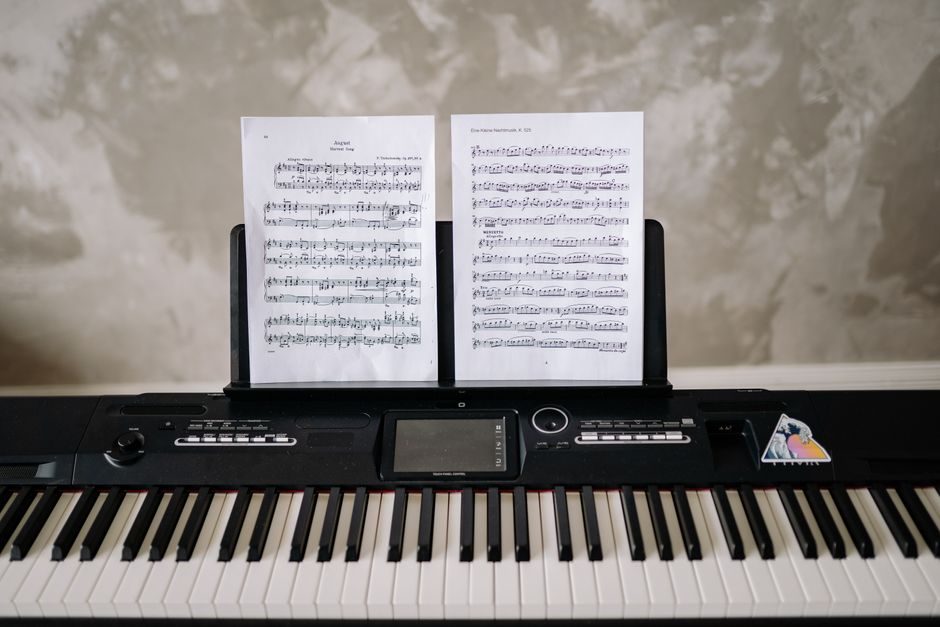
Begin with a short motif that is easy to hum, then repeat or alter it so listeners can follow the idea.
Build a Melody and Shape the Arrangement
Create a Memorable Motif
Begin with a short motif that is easy to hum, then repeat or alter it so listeners can follow the idea. Try a simple rhythm with a small rise in pitch, or hold one note before answering it with a quicker phrase. A clear motif gives the arrangement an anchor, even when the supporting instruments change.
- ☐ Write a short motif.
- ☐ Leave space between important phrases.
- ☐ Test chords beneath the melody.
- ☐ Keep a recognizable idea in the arrangement.
If the melody feels crowded, remove notes before adding more. Leave a pause after an important phrase, or repeat the same notes with a different rhythm to create movement without losing the central idea. Humming into a voice memo can help you test whether a tune feels natural before you enter it into software.
Build chords around the mood and shape of the melody rather than choosing harmony at random. A stable chord can make a phrase feel settled, while a change beneath a held note can introduce uncertainty. Try a few chord options under the same tune, and keep the combination that best supports the scene you imagined.
Give the Track a Clear Arc
Plan the track in sections that reflect a simple emotional arc, such as an opening, a build, and a resolution. The opening can introduce the motif with little accompaniment; the build can add rhythm or harmony; the ending can resolve the phrase or leave it suspended. Even a short cue benefits from a sense of direction.
Add one layer at a time and listen after each addition. If the melody is already clear, a bass line may provide weight while percussion supplies motion; adding both at once can make it harder to identify what is helping. Mute parts during playback to check whether each one earns its place.
Save a rough version before polishing details, then listen from beginning to end without stopping. Note where the energy drops unexpectedly, where a new sound distracts, or where the ending arrives too soon. Make a few targeted changes and check that they improve the overall arc rather than only one moment.
- Introduce the main idea clearly.
- Build energy with purposeful layers.
- End with a resolved or intentional open feeling.
Share Your Track With Anime Fans
Prepare a Clear First Listen
Before sharing your track, export a version that plays cleanly from beginning to end. Check the opening volume, trim accidental silence, and listen on headphones and ordinary speakers so the melody and vocal or lead instrument remain clear. Give the file a descriptive title, and include a short note explaining the scene or feeling that inspired it.
- Finish the arrangement and check the ending.
- Export a clean audio file and test playback.
- Write a short note about the track’s inspiration.
- Share it with a focused question for listeners.
Choose a place where listeners can hear the music without searching through unrelated material. A creator profile or music-sharing platform can hold the track, while a short clip can introduce its strongest moment on social channels. If you post a behind-the-scenes story for readers of relevant music or anime publications, a guest posting service may help you find an outlet.
Make the invitation specific: ask whether the chorus feels triumphant, whether the transition is easy to follow, or which instrument stands out. These prompts help fans respond to the music rather than simply saying whether they like it. Avoid presenting an unfinished demo as a final release unless you clearly label it as a work in progress.
Give Listeners Helpful Context
A little context can help fans hear the choices behind an original track without telling them what to think. Mention whether you imagined an opening theme, a quiet character moment, or a climactic battle, then name one sound or musical gesture that carries that idea. Keep the description brief enough that the music remains the main event.
Credit collaborators clearly, including performers, illustrators, or anyone whose original material appears in the release. If the piece uses samples, check the source’s terms before publishing and identify the material when required. Do not use a familiar anime melody or official artwork in a way that could make listeners mistake your work for an authorized release.
Make listening easy by checking that the player works on common devices and that the track title and creator name are visible. Add captions to any promotional video so viewers can follow its message with sound off. If you later revise the piece, label the new version clearly, allowing returning listeners to distinguish it from the original.
Avoid Common Beginner Composition Pitfalls

Keep the Arrangement Focused
A crowded arrangement can hide the melody that gives an anime-inspired track its identity. Give each instrument a job, such as carrying the hook, supporting the pulse, or adding a brief burst of color, and remove parts that compete for the same space. For example, a busy guitar pattern may need to pause while a vocal melody reaches its highest note.
- A clear melodic lead needs room in the arrangement.
- Contrast can create impact without adding more tracks.
- Check how parts interact before reaching for new sounds.
Use contrast to make a dramatic section feel larger instead of stacking every available sound at once. A sparse verse, a rising transition, and a fuller chorus can create momentum through changes in density and register. MediaKit.uk is one place a creator can explore when looking for publications that cover music and entertainment, after the composition itself is ready to share.
Listen at a moderate volume and focus on one element at a time: first the main melody, then the bass, then the supporting parts. If two sounds blur together, change their rhythm, register, or timing before adding another instrument. A short pause in the arrangement can also give a lyric, solo, or emotional turn room to land.
- Assign every part a clear musical role.
- Leave space around the main melody.
- Use section changes to create momentum.
- Mute parts that compete unnecessarily.
Build a More Natural Progression
A dramatic chord change works best when the listener can feel how the music arrived there. Establish a recognizable pattern first, then vary one element, such as the bass note, rhythm, or chord color, to signal a new emotional direction. Changing everything at once may sound abrupt unless the scene calls for a deliberate shock.
Avoid making every section peak at the same intensity. If the introduction, verse, and chorus all use the loudest register and fullest instrumentation, the track has little room to grow. Save a strong high note, heavier drum pattern, or wider harmony for the moment that needs extra emphasis, and create a quieter passage nearby for contrast.
A first draft does not need perfect transitions, but it should have a reason for moving between sections. Try humming the melody across the change; if it feels difficult to continue, adjust the final phrase or add a short pickup. This simple test helps reveal awkward jumps before detailed mixing makes them harder to notice.
Get Useful Feedback and Refine Your Sound
Ask Focused Listening Questions
Ask listeners to comment on one musical decision at a time, rather than requesting a general verdict on the whole track. Questions such as “Can you follow the melody after the bridge?” or “Does the ending feel complete?” produce answers you can test against the recording. When comparing publication options around a release, creators can research before choosing whether to buy sponsored posts.
- Mistake: Asking only whether someone likes the track; better approach: ask about a specific musical moment.
- Mistake: Revising after every individual comment; better approach: look for recurring, actionable feedback.
- Mistake: Explaining choices while listeners respond; better approach: let them describe what they hear first.
Choose a few listeners who will approach the piece differently, such as a musician, an anime fan, and someone unfamiliar with your references. Explain what kind of response you need and whether the track is a rough draft or nearly finished. This context can prevent a listener from judging a deliberate demo texture as an accidental flaw.
Take notes while people listen, but do not interrupt to defend each choice. If several people independently mention the same unclear transition, that is a useful signal to review it. A single disagreement may instead reflect taste, so compare the comment with your intended mood and decide whether a change would strengthen the track.
Revise Without Losing Intent
Before editing, write down the track’s central aim in one sentence, such as making a reunion feel hopeful but uneasy. Use that intention as a filter for feedback: a suggestion that improves clarity may fit, while one that changes the mood may not. This keeps revision focused on the experience you meant to create.
Make changes in passes instead of altering melody, arrangement, and mix at the same time. First address the largest structural concern, then check transitions, and only afterward refine instrument balance or small details. Save a copy before substantial edits so you can compare versions and restore an earlier idea if the new direction weakens the piece.
After each pass, listen from start to finish without stopping to tweak. Notice whether the emotional arc still makes sense and whether the ending feels earned. If a revision solves one problem but creates another, undo it or try a smaller adjustment; careful editing often means removing a distracting part rather than adding a new one.
Keep Learning Through Listening and Practice
Study Songs With Curiosity
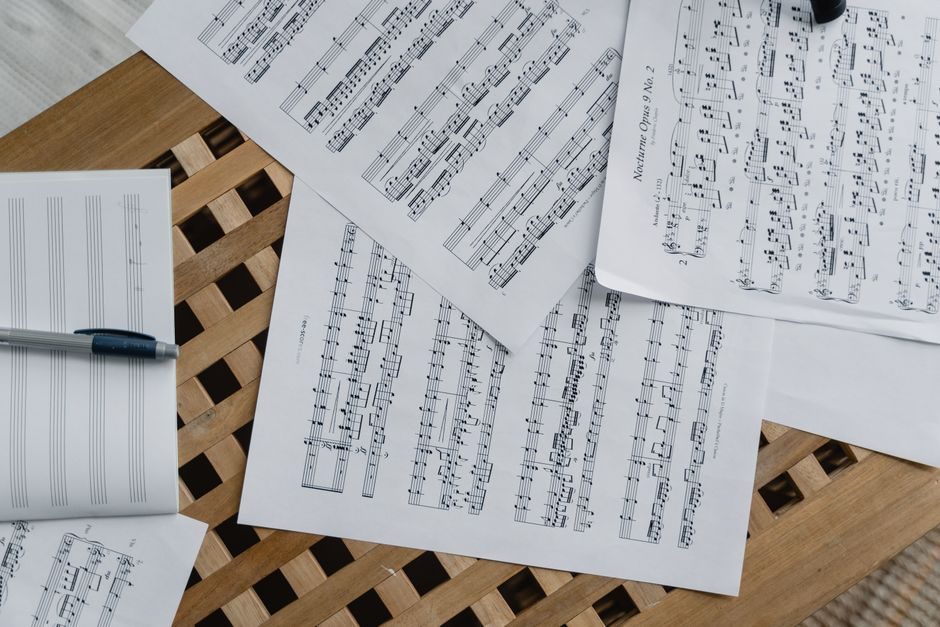
Listen actively to anime themes and soundtracks by following one feature at a time, such as the bass movement, drum pattern, or way the melody changes between sections. Then replay the same passage and notice how another instrument supports it. This turns familiar listening into a practical lesson without requiring you to copy the original composition.
Try recreating a small musical effect with your own notes rather than reproducing a whole song. You might explore how a rising line builds anticipation or how a sudden reduction in texture makes a scene feel intimate. A marketing agency directory may help if you later decide you need specialist support promoting an original anime-inspired music project.
Keep a listening notebook with concise observations you can use in future sessions: “the chorus opens with a wider register” or “the quiet section removes percussion.” Avoid writing only that a song sounds exciting or sad; identify the musical choice that creates that response. Over time, these notes become a personal reference for solving arrangement problems.
Build a Steady Practice Habit
Set a small, clear goal for each composing session, such as shaping an eight-bar melody or finding a better transition into the chorus. A limited task is easier to finish than “write a complete soundtrack,” and completed sketches give you material to develop later. Save each idea with a useful label so you can find it again.
Practice a skill in isolation when a full track feels overwhelming. Write several melodic variations over the same chords, experiment with different drum feels, or arrange one motif for contrasting instruments. Comparing these attempts teaches you how a musical choice changes the mood, while keeping the exercise small enough to complete in one sitting.
Return to older sketches after listening with fresh ears, and note what still works before editing anything. You may discover a strong hook hidden in a rough draft, or recognize that an idea depends on a sound you no longer want. Choose one next action, make a new version, and keep the earlier file as a record of your progress.
- Choose one achievable goal per session.
- Save sketches with descriptive file names.
- Practice melodies, rhythms, or transitions separately.
- Revisit drafts before deciding what to change.
Frequently asked questions
Do I need to read music to compose an anime-inspired track?No. You can begin by humming a melody, recording it on a phone, and finding the notes by ear on an instrument or in music software. Reading notation can help when working with performers or arranging complex parts, but it is not a prerequisite for developing a clear musical idea. Learn notation gradually if it solves a practical need in your process.
Can I use anime opening songs in my own track?A released song is protected creative work, so using its melody, recording, or other recognizable material can require permission. The rules depend on what you use and where you publish it; do not assume that a short excerpt is automatically permitted. For an original project, take inspiration from broad techniques such as pacing or instrumentation and write new musical material of your own.
What software should a beginner use to make music?Start with a digital audio workstation or music-making app that lets you record, arrange, and export audio; the best choice depends on your device, budget, and workflow. Many tools offer virtual instruments, so you can sketch even without owning a full instrument collection. Learn a few core actions first—recording a part, editing timing, adjusting levels, and exporting—before exploring advanced effects.
How can I make a track sound more like an anime scene?Think about the scene’s emotional movement rather than relying on a single signature instrument. A character reveal might use a restrained opening that expands into a strong melody, while a reflective scene may benefit from open space and fewer layers. Choose a tempo, harmony, and arrangement that serve that moment, then use contrast to guide the listener through its changing feeling.
Turn One Musical Idea Into Your Next Track
An anime-inspired track becomes more convincing when its mood, melody, and arrangement all point toward the same imagined moment. Share a clean version with enough context for fans to understand your intention, then ask focused questions and treat recurring feedback as a reason to test a change. Keep the original file, make revisions in deliberate passes, and let space and contrast do as much work as added layers.
For your next step, choose one scene or character feeling and write a short musical sketch around it. Give the melody a clear role, build only the parts that support it, and listen back on more than one device. Save the draft, note one question you want answered, and share it with a listener whose perspective can help you hear the piece anew.

Add Anime & Manga News as a preferred source on Google


