
What Makes Anime Music Memorable? A Fan’s Listening Guide
Explore what makes anime music memorable, from opening themes and character songs to background scores, with practical ways to compare soundtracks.

The best anime music is the music that deepens a scene and stays meaningful after the episode ends. A memorable soundtrack may have a striking opening song, but it also uses score, silence, and recurring melodies to shape a series’ mood and characters. The strongest choice depends on what you want to hear: an energetic theme, a rich instrumental score, or a mix.
A useful way to compare soundtracks is to listen beyond the first impression. Notice how a song’s lyrics and arrangement fit its series, whether a melody returns in a new context, and how the score changes the feeling of a scene. These details can make a soundtrack rewarding even when it is less familiar than a hit opening.
This guide breaks down the main kinds of anime music, explains how themes and scores work together, and offers practical ways to explore soundtracks. Use the comparison table to distinguish openings, endings, and character themes, then follow the listening tips to find music that suits your taste.
- Anime music includes theme songs, instrumental scores, and recurring character or location motifs.
- Listen for how melodies, silence, and arrangement shape a scene and develop across episodes.
- Compare openings, endings, and character themes by their role, mood, and sound.
- Use credits, track lists, and scene comparisons to find soundtracks beyond familiar hits.
What Counts as Anime Music?
Songs and Instrumental Scores
Anime music includes both songs written for a series and instrumental music heard during its scenes. Opening and ending tracks are the most visible examples, but the score also includes recurring themes, short transitions, and music that supports action or quiet dialogue. Together, these elements create a sound world that viewers can recognize.
- Choose one episode or film scene to revisit.
- Listen once for the song or score in the foreground.
- Listen again for quieter music and recurring motifs.
- Compare the scene with a soundtrack release if available.
A song usually brings a singer, lyrics, and a complete arrangement into focus, while a score often works without words. An upbeat guitar track might introduce an energetic adventure, whereas strings and piano can make a conversation feel uncertain or tender. Neither form is automatically more important; each serves a different listening purpose.
The label can also include music from anime films, specials, and original video animation. A film soundtrack may be arranged to follow one continuous story, while a television series can reuse motifs across many episodes. When comparing releases, check whether you are hearing the complete score, selected tracks, or only the theme songs.
- Opening and ending songs
- Instrumental background score
- Recurring character or location themes
- Music from films and specials
Music Made for Storytelling
Anime music stands out when it gives a scene an emotional shape without explaining everything aloud. A repeating melody can suggest a character’s history, while a sudden change in rhythm can make familiar surroundings feel threatening. The cue matters because it works with images, editing, and dialogue rather than in isolation.
Some tracks are composed specifically for a production, while licensed songs may be selected to establish a particular energy or cultural reference. Both can fit naturally when their timing and tone suit the story. Listen for whether the music seems to grow from the scene or deliberately creates contrast with what is happening on screen.
A soundtrack can also develop as the series changes. A theme introduced in a simple arrangement may return with fuller instrumentation after a character’s turning point, giving viewers a musical reminder of earlier events. That kind of variation is one reason a score can reward repeated listening even when individual cues are brief.
How Themes and Scores Shape a Series
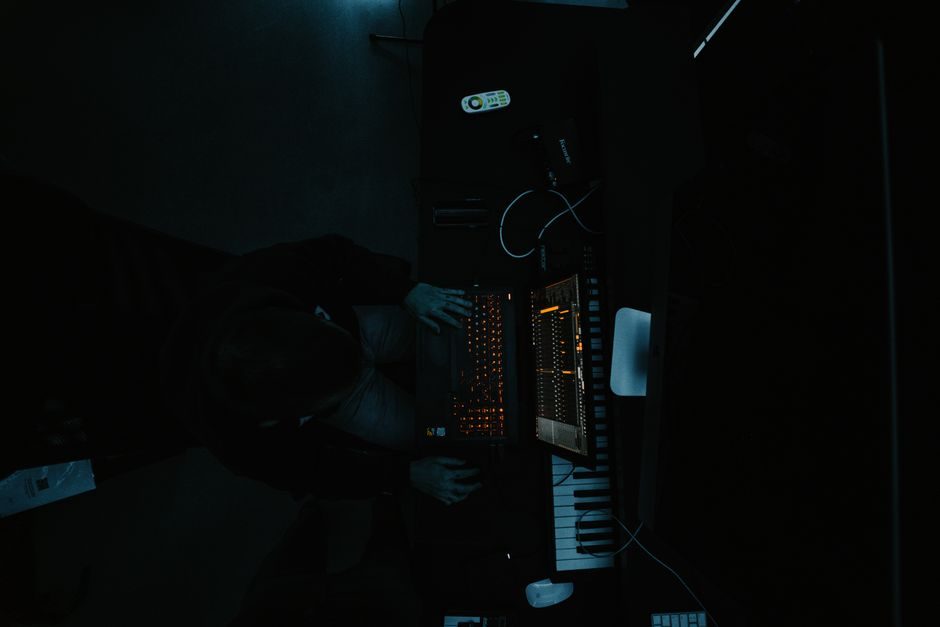
Recurring Melodies Build Recognition
A recurring melody gives viewers a musical thread to follow across episodes. It may be linked to a character, a place, or a particular kind of emotional moment, so hearing it again can make a scene feel connected to earlier events. Pay attention to changes in tempo, instrument, or intensity when the motif returns.
For example, a theme first heard on solo piano might reappear with strings during a reunion. The notes can stay familiar while the new arrangement reflects what has changed in the story. This makes a soundtrack more than a collection of cues: it becomes part of how the series remembers its own past.
Not every memorable score relies on a clear, repeated theme. Some use texture, rhythm, or a distinctive instrumental color to establish identity instead. When comparing series, ask what you can recognize after a few seconds: a melody, a sound, or a pattern of silence and impact.
- Track melodies that return in later episodes.
- Notice whether the arrangement changes with the scene.
- Listen for sounds associated with a character or place.
Silence and Scene Pacing
Silence can be as expressive as a full orchestral cue. When music drops out before a reveal, the pause gives viewers room to anticipate what comes next; when a scene stays quiet, small sounds such as footsteps or rain become more noticeable. The absence of music is often a deliberate part of a score’s design.
Music also affects pacing by shaping how quickly a scene seems to move. A steady beat can drive a chase, while long sustained notes can make a pause feel unsettled or reflective. Compare the same type of scene across episodes and notice how the rhythm of the score changes your sense of urgency.
A strong soundtrack leaves space for dialogue and sound effects instead of filling every moment. In a crowded action sequence, a clear musical pulse can help the scene feel coherent, but too many competing layers may blur the impact. Listen for balance: the cue should support what matters without drawing attention away from it.
Opening Songs, Endings, and Character Themes
Three Different Listening Roles
Opening songs introduce a series’ energy, while ending songs often create a softer transition out of an episode. Character themes, by contrast, are usually tied to a particular person or recurring situation within the story. Comparing these roles helps explain why one track can be an instant favorite while another grows on you over time.
An opening is often built to make a strong first impression, with a clear hook and a compact arrangement suited to its sequence. An ending can lean toward reflection, giving the episode’s events time to settle. A character theme may be instrumental or vocal, and its meaning can shift as viewers learn more about that character.
Try listening to each kind with its original placement in mind. Watch how an opening’s images and edits interact with the song, then consider whether the ending’s mood fits the episode that came before it. For a character theme, notice when it appears and whether the same musical idea changes in later scenes.
- Opening: energy and series identity
- Ending: mood and transition
- Character theme: association and development
| Music type | Typical role | Listen for |
|---|---|---|
| Opening song | Introduces series energy | Hook and visual timing |
| Ending song | Closes an episode | Mood and transition |
| Character theme | Links music to a character | Recurring motif and variation |
Compare Mood and Arrangement
Compare themes by asking what each track makes you notice first: its melody, voice, rhythm, or instrumentation. A vocal hook may be easy to remember after one listen, while an understated ending may become more affecting once you connect it to the episode. The best comparison is about purpose as much as personal preference.
Lyrics can add a direct point of view, but they do not need to summarize the plot to suit a series. Instrumental passages, changes in dynamics, and the singer’s delivery also shape the effect. If you do not understand the language, focus on how the phrasing and arrangement work with the sequence.
A simple listening note can make comparisons clearer: record the mood, the dominant instruments, and the moment you most remember. Keep the notes brief so you can compare several tracks without turning listening into a chore. Over time, patterns emerge, such as a preference for restrained vocals or bold percussion.
Listening by composer is a practical way to find styles that suit you, but do not assume every project will sound alike.
Finding Soundtracks Beyond the Biggest Hits
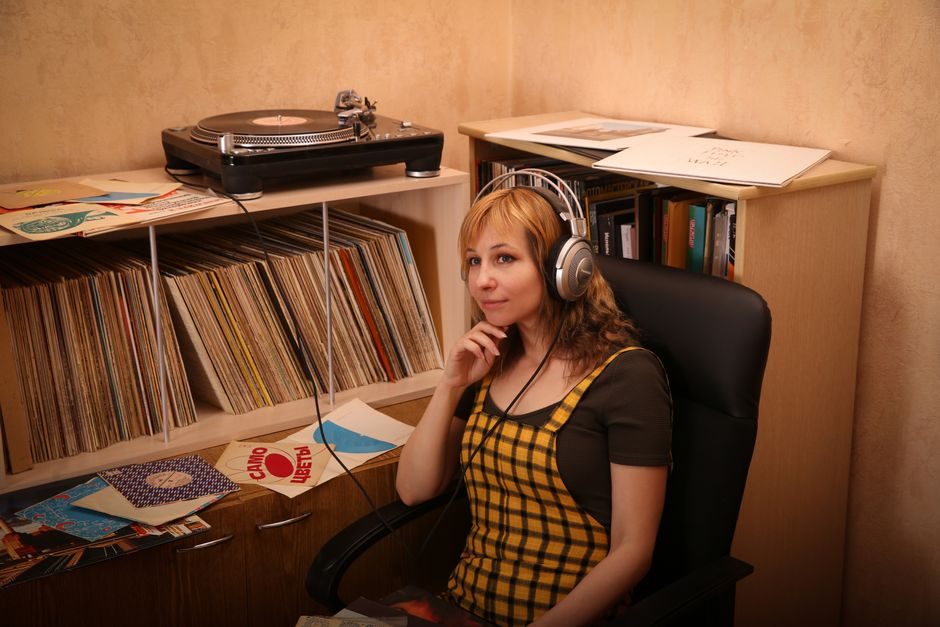
Follow Credits and Sound
Start exploring a soundtrack by checking the end credits and official track listings for the composer, performers, and song titles. Those details can lead you to other work by the same musicians, including scores for films or series with a different mood. Fan editors building a searchable soundtrack guide may find Seo Services useful for making their articles easier for readers to discover.
- ☐ Save the title and composer of a track you enjoy.
- ☐ Check whether the soundtrack release includes instrumental cues.
- ☐ Sample a few tracks before adding the full album.
- ☐ Note related work by performers or composers.
Listening by composer is a practical way to find styles that suit you, but do not assume every project will sound alike. A composer may use acoustic instruments in one series and electronic textures in another, depending on the story and creative direction. Compare a few tracks before deciding whether you enjoy the broader body of work.
You can also follow a sound rather than a name. If a particular blend of percussion and strings catches your ear, look for other soundtracks with similar instrumentation, then check their credits for connections. This approach can lead beyond the most widely discussed openings to quieter scores and distinctive film music.
- Check the episode or film credits.
- Look up official track listings.
- Follow composers and performers across titles.
- Search by instruments or musical mood.
Explore Albums and Scene Cues
A soundtrack album and the episode soundtrack offer different listening experiences. Albums may arrange or group cues for standalone listening, while the episode reveals how those cues interact with dialogue, effects, and image. If a track feels unfamiliar on its own, revisit the scene before deciding whether it works for you.
Official releases can vary in what they include, so read the track list before choosing where to start. One release may focus on songs, while another gathers instrumental cues or music from a film. Sampling a few tracks helps you find the material you want without expecting every release to contain the complete score.
For a focused comparison, pick one scene and listen first with the episode, then with the music alone if that version is available. The scene shows the cue’s storytelling role; the isolated track reveals details that dialogue may have masked. Keeping both perspectives in mind makes it easier to appreciate the score on its own terms.
Comparing Anime Music Across Genres
Listen for Genre Signatures
Compare how a soundtrack uses the conventions of its genre, rather than deciding that one style is automatically better. A fantasy series might build scale through choir and orchestral color, while a sports story can rely on driving percussion and rising motifs. The interesting question is how each choice supports the scenes and characters.
- Mistake: comparing unrelated scenes; better approach: match moments with similar dramatic purposes.
- Mistake: treating orchestral music as inherently superior; better approach: judge how well each sound serves the scene.
- Mistake: relying on genre labels alone; better approach: note specific instruments, rhythms, and changes.
A useful comparison pairs moments with similar dramatic jobs. Listen to how two shows score a first meeting, a training sequence, or a quiet farewell, then notice whether the music creates intimacy, momentum, or grandeur. This keeps production style from dominating your judgment and reveals how different genres use sound to shape familiar emotional beats.
Genre labels are only a starting point: a comedy can use a surprisingly tender piano cue, and a science-fiction series can borrow acoustic instruments to make its world feel human. Note when a score follows expectations and when it resists them. Those contrasts often explain why a soundtrack feels distinctive, even if its instrumentation sounds familiar.
Compare Mood and Musical Shape
Track how a piece changes over time, not just whether its mood appeals to you at first. One theme may begin with a spare melody and gradually add rhythm and harmony; another may hold a steady pulse to preserve tension. These choices create different listening experiences, even when both tracks fit the same kind of scene.
For a fair comparison, listen at a similar volume and use complete tracks when possible. A short excerpt can make a gradual build sound uneventful or cut off a satisfying resolution. If you are comparing two versions of a theme, notice what changed in tempo, instrumentation, or arrangement, rather than treating the newer recording as automatically better.
A Leicester-based fan group publishing soundtrack comparisons could consider Leicester Seo Services as one resource for reaching local readers. Keep that practical publishing question separate from the musical judgment: first explain what listeners can hear, then decide whether the comparison is useful to fans. Clear criteria make recommendations easier to understand and discuss across different tastes.
Pitfalls When Building a Fan Listening Guide
Separate Memory from Sound
A powerful scene can make its music feel more memorable than it sounds on its own, so distinguish emotional association from musical detail. Revisit the track outside the episode and listen for melody, rhythm, texture, and structure. You do not need to discard the memory; simply explain whether the scene or the composition is doing most of the work.
Avoid treating a favorite as a universal recommendation. A theme that moves one listener because of a character’s story may leave another person cold without that context. Describe what the music does and what viewing experience informs your response, so readers can decide whether the same qualities are likely to appeal to them.
Fan guides can also mistake familiarity for quality. Repeated exposure makes a theme easy to recognize, but recognition alone does not explain its appeal. Compare it with less familiar cues from the same soundtrack, and ask whether its arrangement, melodic shape, or placement in the series gives it a distinctive role beyond simply being heard often.
Give Listeners Clear Context
Tell readers whether you are recommending a complete soundtrack, a single theme, or a cue tied to a particular scene. That distinction prevents someone expecting an album-length experience from getting only an opening song. Mentioning the relevant episode or character can help, but avoid revealing a major plot turn just to explain why a cue matters.
If a fan project serves a particular community, Local Seo Services may help keep its public information consistent across relevant listings. That is a practical publishing concern, not a test of a soundtrack’s merits. In the guide itself, be precise about track titles, series names, and listening context so readers can find the music you mean.
Do not assume every reader has access to the same soundtrack edition or streaming catalog. Track titles and availability can vary by region, and some releases are arranged differently. When a recommendation depends on a specific version, say so plainly; when it does not, describe the musical qualities that make the cue worth seeking out.
Tips for Listening More Closely
Follow One Musical Element
Choose one element to follow through a track, such as the main melody, percussion, or a recurring instrument. This makes attentive listening manageable and helps you hear how an arrangement develops. On a second pass, switch focus; a melody that seemed simple may gain meaning when you notice the harmony or rhythm supporting it.
Notice when a theme returns and whether it changes with the scene. The same musical idea can feel triumphant in one arrangement and uncertain in another if the tempo, harmony, or instrumentation shifts. Rather than calling a cue merely a reprise, describe what has changed and how that change affects your reading of the character or moment.
Silence and restraint deserve attention too. A scene may use a few exposed notes, ambient sound, or a pause instead of a full orchestral cue, leaving space for dialogue and atmosphere. Compare that choice with a later scene where the score fills the sound field. The contrast can reveal how carefully music is being used to direct attention.
- First listen: follow the melody.
- Second listen: focus on rhythm and percussion.
- Third listen: note changes in instrumentation.
- Compare the track with its scene.
Build a Personal Listening Route
Make a short route through a soundtrack instead of playing every track at once. Begin with a theme you recognize, add a contrasting cue, and finish with a piece whose mood or arrangement surprises you. This sequence gives your ears points of comparison and can make an unfamiliar score easier to explore without turning listening into homework.
Keep brief notes in everyday language: “the melody returns with a slower pulse” is more useful to another fan than a vague rating. Include the track or scene that prompted the observation, especially when an album contains several similar cues. Notes also help you distinguish what you heard on a first pass from what became clearer later.
Use headphones when you want to pick out quiet details, but do not treat them as essential. Speakers can make orchestral layers easier to experience together, while a phone may be convenient for comparing themes on the move. Choose the setup that lets you listen comfortably, and avoid raising the volume to compensate for a noisy environment.
Sharing Your Favorite Anime Music

Make Recommendations Specific
A useful recommendation tells fans what to listen for and why, not only that a track is a favorite. Point to an infectious rhythm, a memorable melody, or a shift that mirrors a character’s growth. Then name the kind of listener who might enjoy it, such as someone drawn to vocal themes or patient instrumental builds.
Offer a gentle entry point for people who do not know the series. A short description of the scene’s mood can explain the track’s role without requiring a plot summary. If the music contains a major reveal or depends on a late-series moment, flag that context before discussing it so newcomers can choose whether to continue.
When sharing a playlist or written guide, group tracks by a clear idea rather than by personal ranking alone. You might place energetic openings together, or pair quiet cues that use very different instruments. A brief note for each choice makes the sequence feel intentional and gives friends a reason to compare their reactions.
Invite Different Fan Perspectives
Ask other fans what they hear before presenting your own verdict. Someone may notice a recurring instrument, a change between versions, or a connection to a scene that you missed. Treat disagreement as a chance to sharpen the comparison: ask which musical detail supports their view, rather than turning preferences into a contest.
Make room for different ways of listening. Some fans connect most strongly with lyrics and vocal delivery, while others focus on instrumental writing, production, or how a cue works in an episode. A good discussion can hold these reactions together, provided everyone is clear about whether they are judging the song itself or its role in the series.
Close a recommendation exchange with a question that invites a specific answer, such as which cue best changes meaning on a second listen. That is easier to respond to than asking whether a soundtrack is simply good. The resulting suggestions may lead you toward overlooked tracks, alternate arrangements, or series you would not have chosen from a chart.
Frequently asked questions
How can I judge an anime soundtrack without knowing the series?Listen for qualities that stand on their own: a memorable melody, a purposeful rhythm, a clear arrangement, or an effective change in mood. Then consider whether the music suggests a scene or character even without their backstory. A little context can deepen your response, but you can still describe what you hear and whether the track holds your attention independently.
Are opening songs a good way to discover anime music?Yes. Opening songs are concise introductions to a series’ sound, and their vocals, energy, and visual pairing can make them easy to remember. They represent only one part of the music, though. If an opening catches your ear, explore the ending themes and instrumental score too; those may reveal a different mood or a wider range of musical choices.
Why does a familiar theme feel different later in a series?A recurring theme may return with a changed arrangement, tempo, or instrumentation, reflecting a character’s circumstances or a shift in the story. Your own knowledge of what has happened also changes how you hear it. Compare the versions directly, paying attention to what stays recognizable and what the new context or musical treatment makes you notice.
What should I include in a short anime music recommendation?Name the series and track clearly, then give one or two specific reasons to listen, such as a strong vocal performance, a recurring melody, or a striking contrast in mood. Say whether the recommendation works best with episode context and flag spoilers if needed. A precise description helps fans choose without requiring them to share your taste.
Let the Music Lead You Back
The most memorable anime music does more than sound attractive: it gives a scene shape, carries a character’s feeling, or changes meaning when a motif returns. Listening across genres becomes more rewarding when you compare similar dramatic moments and describe concrete musical choices instead of relying on rankings or nostalgia. A personal guide can welcome different tastes while still making each recommendation specific and easy to follow.
Choose one series you already enjoy and revisit a track outside its episode, then listen again with the scene in mind. Note one element that stands out and one way the context changes your response. That small comparison is a practical start to discovering what makes a score memorable for you, and it gives you a clear observation to share with other fans.

Add Anime & Manga News as a preferred source on Google


