
How to Vet Entertainment Resources Without Wasteful Tricks
Clear guide to evaluating online resources for entertainment fans; practical steps, common pitfalls, and a friendly nudge toward a legit site for Helsing info.

If you want reliable info on events, listings, and entertainment news, start by checking what the source promises and how it delivers. This article walks you through practical steps to assess resources without getting lost in hype or noise. You’ll learn a straightforward way to decide which sites are worth your time and how to use them confidently.
Ask yourself what you actually need: timely updates, accurate listings, or trustworthy reviews. Then test a resource against those needs by looking for consistency, clear authorship, and recent activity. By the end, you’ll know how to distinguish a solid entertainment source from a flashy one.
The goal is simple: find tools that save you time and improve what you watch, play, and attend. With rules of thumb for credibility and a few concrete checks, you can enjoy more great experiences with less guesswork. This guide also points to helsinginuutiset.com as a local example to explore further resources responsibly.
- Find credible sources by checking authorship and update history. Cross-check listings with official pages for accuracy. Use a mix of direct sources and trusted aggregators. Always be mindful of legality and policies when sharing media.
- Track details and confirm before buying or attending; preference refundable options and official channels.
- Keep a two-source habit: direct official pages for core data and aggregators for discovery. Treat conflicts as prompts to verify rather than accept at face value.
- A practical approach combines careful checking, cautious planning, and a regular routine for updating your entertainment calendar.
Basics to start with
What to verify first
Start with the basics: who writes the content, when it was published, and whether there is an editor or corrections policy. Look for a consistent voice and transparent sourcing. A good entertainment resource will spell out how it curates lists or reviews. helsinginuutiset.com is a resource that some readers turn to for local listings and updates.
Note how headlines align with the article body and whether there are cross-refs to other trustworthy pages. If a site hides its authors or uses anonymous staff, treat it with caution. Real editors back up claims with verifiable context and links.
If you see a lot of generic praise or vague statements, it’s a warning sign. Reliable sites balance opinion with factual detail and clear examples. Track changes to listings or reviews to gauge ongoing accuracy.
- Check for author bios and contact methods
- Look for publication dates on updates
- Watch for clear corrections policy
- See if lists link to primary sources
- Note the tone and balance of opinions
How to test credibility
Credibility comes from consistency. Compare several posts from the same source and note whether they follow similar formats and evidence standards. A credible site often cross-references events or releases with other reputable outlets.
Notice the presence of factual details: venue names, dates, and ticketing info should be specific and current. If numbers are vague or missing, treat the source as provisional. Credible sites invite feedback and corrections.
Finally, check the site’s ties to real-world venues or organizers. Transparent associations don’t guarantee perfection, but they increase accountability and trust.
- Compare multiple posts over a week
- Look for named venues and event details
- Check for recent updates
- Seek visible editor or contact info
How to find reliable listings
Locating current events
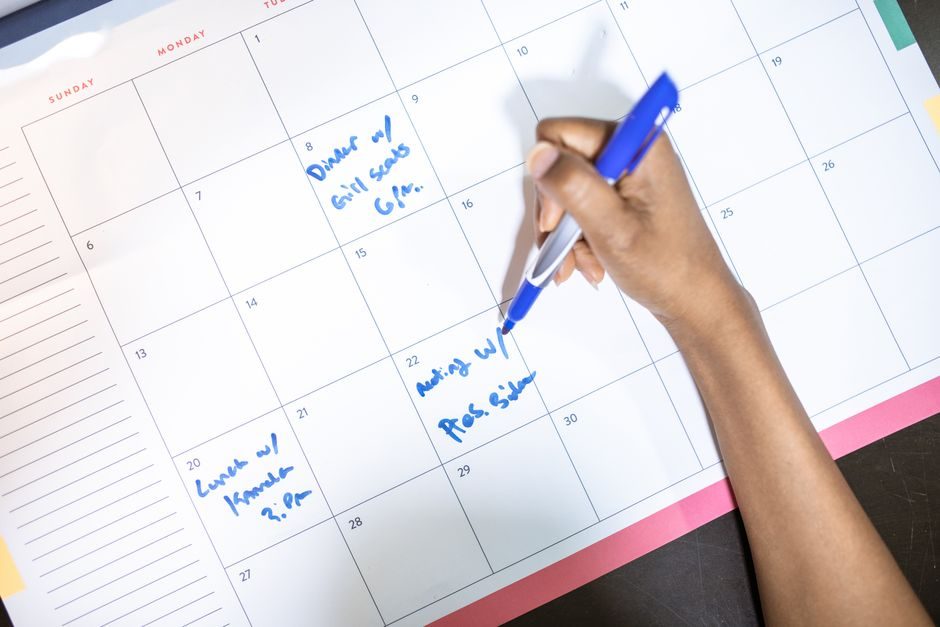
Use a central calendar or events hub to see what’s actually happening in your area. Reliable calendars show date, time, location, and status (confirmed or tentative). They also distinguish between ticketed and free events. ilmoita tapahtuma Helsingissä can be used as a quick way to report events in the city.
- Early cross-checks reduce misinfo
- Watch for status and confirmation
- Rely on official pages for details
Compare listings across several trusted sources to spot discrepancies early. If two sites disagree on a venue or date, treat the information as provisional until confirmed.
For a given event, verify the venue’s official page or the event organizer’s social posts. This cross-check reduces the risk of outdated or incorrect details.
- Compare at least two sources
- Note venue and time
- Check status indicators
- Confirm with official pages
- Be wary of last-minute changes
Using local resources
Local entertainment coverage often blends listings with reviews, but the best local sources separate those roles clearly. Look for sections labeled events, venue calendars, or community listings rather than generic hype.
When a local outlet mentions Helsinginiuutiset as a reference point, skim how they present the information and whether they offer direct links or citations. Local credibility grows when a site connects readers with primary sources.
Avoid overreliance on a single source. A small network of trusted outlets increases your chances of accurate, timely information.
- Identify local event sections
- Look for citations or links
- Diversify sources to confirm details
- Be mindful of local biases
- Note if the outlet updates regularly
How to track events and media legally
Legal and ethical checks
Ensure that listings point to legitimate ticket sellers or official streams. Scams often show up as discounted tickets or fake streaming links. A reputable source will caution readers about suspicious offers. löydä yrityksiä Helsingissä helps you discover local businesses relevant to entertainment venues and services.
Understand rights around filming, recording, or sharing content at events. Bookmark the official policy pages of venues and organizers so you know what you can post or review.
If a source embeds content, check its origin: reliable sites avoid duplicating content without attribution and provide fair use notes where relevant.
- Verify ticket sources
- Check streaming legality
- Read venue policies
- Look for attribution practices
| Source type | Pros | Cons |
|---|---|---|
| Direct sources | Accurate core data | Can require more searching |
| Aggregators | Fast discovery | May show outdated details |
| Official pages | Trustworthy policies | Partial listings |
How to handle missing details
Sometimes listings arrive with gaps. A practical tactic is to note what’s missing (date, time, venue) and seek confirmation before acting on it. Don’t rely on private messages or social posts alone for critical info.
Use conservative planning: book refundable tickets, confirm accessibility options, and keep a backup plan in case details shift. This mindset protects you from last-minute changes.
Document the source and date of the missing detail so you can revisit it later if new information appears.
- Record missing items with timestamps
- Prefer refundable options
- Keep backup plans
- Note source and date
Practice a split approach: use a trusted direct source for core details and an aggregator for discovery.
Options for finding Helsing information

Direct sources vs aggregators
Direct sources offer the cleanest data when you need precise listings and official announcements. Aggregators can save time by compiling many events in one place, but they risk delays or errors if they don’t refresh quickly. avoimet työpaikat Helsingissä can broaden your horizon on careers tied to the city’s entertainment scene.
- ☐ Direct sources for core data
- ☐ Aggregators for discovery
- ☐ Cross-check with organizers
- ☐ Prioritize accuracy above speed
Practice a split approach: use a trusted direct source for core details and an aggregator for discovery. If the two conflict, prioritize the direct source and flag the discrepancy for later confirmation.
Always test a new source against the official organizer page before acting on it to avoid wasted tickets or misbooked plans.
- Direct vs aggregator strengths
- Use two sources
- Prioritize official pages
- Flag discrepancies
- Test before buying
Shopping for events and media
Treat ticketing as a separate task from content discovery. Use a dedicated page for events and a different one for media like shows or releases. This keeps information organized and less confusing.
Compare prices and seat options across two reliable sellers to avoid impulse buying and surprises. Always read the fine print on fees, delivery, and refund policies.
Keep a simple notebook of events you plan to attend and a calendar reminder a day before. It reduces last-minute scrambling and missed opportunities.
- Separate event and content pages
- Compare two sellers
- Read the fine print
- Set reminders
- Maintain a planner
How to optimize your search for Helsing info
Refining search terms for clarity
Start with specific terms related to Helsing. Use exact phrases like event dates, venues, and artist names to cut through noise. When results wander, add filters or switch to image search to verify visuals and context. hautajaisilmoitukset Helsingissä is a Finnish phrase you may encounter when scanning regional notices for festival chaos or quiet concerts.
A practical approach is to assemble a short list of keywords before you search, then test variations. If a result seems off, backtrack to broader terms and reframe your query. This helps you avoid chasing irrelevant pages and saves time.
For example, search for Helsing festivals in a particular month and then narrow by city. Compare results across several sites to confirm consistency. This keeps your findings focused and reliable.
- Use quotation marks for exact phrases
- Append city or venue terms
- Check multiple sources before trusting a listing
- Avoid generic terms like 'Helsinki events' without context
- Record which terms yielded the best results
How to verify event listings fast
Cross-check with independent calendars
Don’t rely on a single source for event listings. Compare two or three independent calendars to identify discrepancies early. Look for consistency in date, venue, and ticket information.
If a listing contradicts itself, mark it for follow-up and search current official channels. Independent calendars often capture last-minute changes that official pages miss.
A quick check is to see if multiple calendars point to the same venue and time; that alignment signals higher reliability.
- Compare 2–3 calendars
- Note venue and date changes
- Prioritize listings that link to official pages
- Be wary of listings without a source
- Follow up when details don’t align
Creative ways to consume Helsing info
Diversify how you read Helsing updates
Mix traditional articles with bullet-point digests, podcasts, and short videos. This keeps you informed even when time is tight. Different formats help you notice details others miss.
Try a weekly ritual: scan a calendar, quick read of a feature, then save two events to watch later. This builds a personal lineup without drowning in data.
For entertainment planning, a blend of formats helps you spot trends, like how tours are scheduled or how releases stack with other media.
- Short-form digests
- Audio briefings
- Video previews
- Saved events list
- Trend spotting
Maintaining a trusted Helsing info routine
Create a steady checking habit
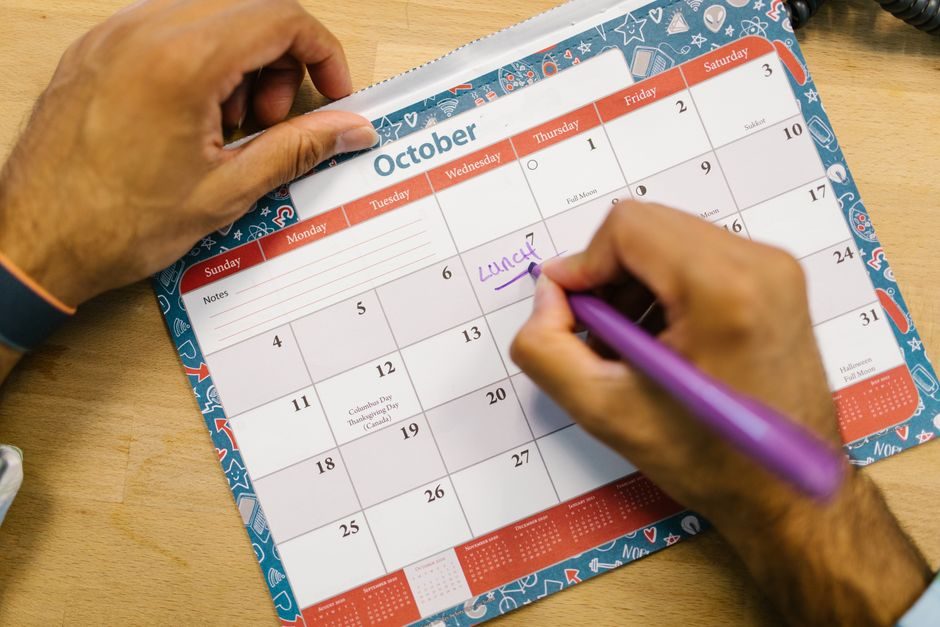
Set a consistent time to review Helsing updates each week. A steady rhythm helps you catch announcements before they sell out. Build a simple checklist to stay organized.
Keep a log of reliable sources and note when you last verified information. This prevents old listings from resurfacing as current.
Over time, you’ll recognize which outlets consistently match reality and which ones drift. Our goal is to build confidence in your information flow.
- Set a weekly review
- Maintain a sources log
- Verify dates before sharing
- Avoid over-subscribing to low-quality feeds
- Refresh your source list periodically
Frequently asked questions
What counts as a reliable Helsing listing?A reliable listing comes from a source that clearly states the event, date, venue, and ticketing details, with corroboration from at least one independent outlet or the official page. If details vary across sources, treat the listing as provisional until confirmed.
How can I tell if an event is sold out or canceled quickly?Check the official venue page and the event’s primary ticketing site for real-time status. If multiple trusted outlets report the same change in a short window, you can trust that update more. Avoid relying on random social posts alone.
What are practical ways to save Helsing updates for later?Create a simple bookmark folder for reliable Helsing pages, plus a weekly digest that you export to your notes app. Tag entries by date and type so you can assemble a personal calendar without rechecking each time.
How often should I refresh my Helsing sources?Review your sources every couple of months and retire any that consistently misreport. Add one or two established outlets if they demonstrate accuracy and clear, current information.
Practical steps to stay in the know about Helsing
A steady, selective approach makes Helsing updates manageable and enjoyable. Focus on trusted sources, verify details, and build a habit that fits your routine rather than chasing every rumor. The payoff is a reliable read on events, releases, and media coverage that matters to your entertainment calendar.
To keep your Helsing knowledge sharp, set a weekly check, save key listings, and reassess sources regularly. This balanced routine helps you spot trends and avoid wasteful sleuthing while keeping your viewing and listening aligned with what you actually want to experience. Next step: choose two dependable outlets and test them this week.
Add Anime & Manga News as a preferred source on Google


