
How to spot second-hand items for sale in the USA without hassle
A practical guide for entertainment readers: find reliable second-hand items in the USA, avoid scams, and get great value for music, movies, and collectibles.

You’re looking to snag second-hand items that boost your entertainment setup or collection, but the market is noisy. This guide cuts through the noise with concrete steps and safe habits that save time and money. You’ll learn where to look, what to verify, and how to avoid common pitfalls while staying in control of what you buy.
From the basics of trustworthy listings to smarter buying decisions, we cover practical tips that fit a reader’s pace. Expect real-world checks you can apply immediately, whether you’re chasing vinyl records, vintage consoles, or rare memorabilia. The aim is a calmer, more confident buying process that pays off with reliable finds.
Think of this as a playbook you can reuse for any price point or item type. By the end, you’ll know how to compare listings, verify item condition, and decide when the deal is truly worth it. The focus stays practical, entertaining, and respectful of your time.
- Search platforms with clear seller histories and photos. Verify condition against photos, descriptions, and comparable listings. Always calculate total cost, including shipping and fees, before buying.
- Ask for additional photos when needed and request model numbers or serials to confirm authenticity. Test what you can or request a demo if possible.
- Negotiate calmly, favor quick payment for a small discount, and clarify return policies. Prioritize protection against scams and lost shipments.
Understanding the basics of the market
Know reliable sources
Start with well-known platforms and community boards that have clear policies. Look for seller profiles with history and consistent ratings. Understanding these basics helps you filter noise from genuine listings. second-hand items for sale in the USA
- Identify the platform’s seller rating and message response history.
- Look for item photos that show close-ups and serials or model numbers.
- Ask for additional photos if anything looks uncertain.
- Confirm return policy and payment protection before buying.
- Check seller history and response rate
- Read item descriptions carefully
- Compare similar items to spot outliers
- Avoid listings with vague photos or missing details
Finding legitimate listings and photos
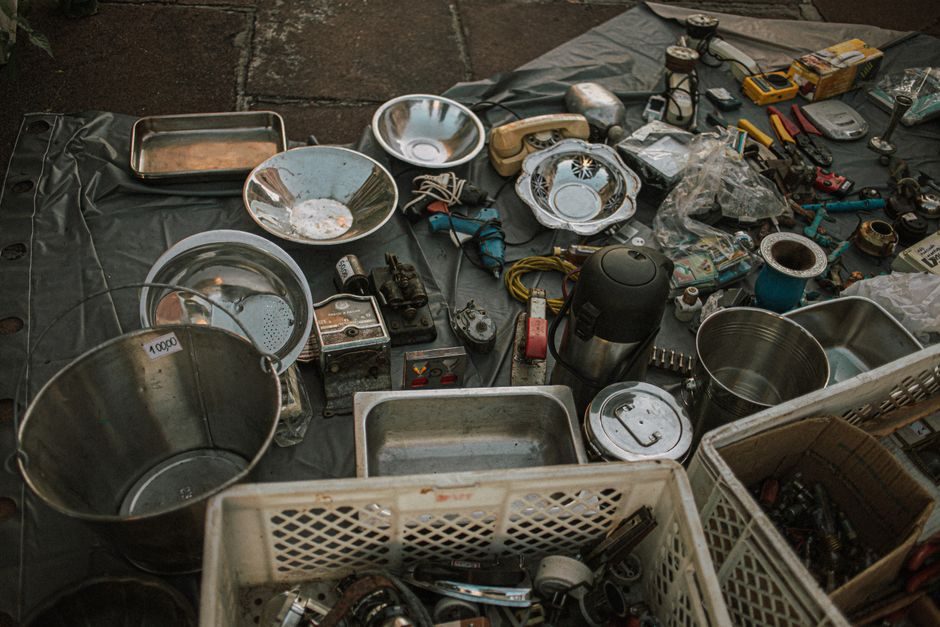
Spot clear photos
High-quality photos reveal wear, repairs, and authenticity. Compare angles and lighting to judge condition accurately. Don’t rely on single blurry shots to decide. Property eNews latest news
- Request multiple angles
- Ask for scale with a common object
- Check for serial numbers or model marks
- Look for vendor-provided provenance when possible
Evaluating item condition and value
Assess condition realistically
Condition drives value in entertainment gear and collectibles. Learn standard terms (mint, excellent, good, fair) and what they imply for usage. Use your own criteria to judge wear and functionality. list your event in the USA
- ☐ Make a quick condition checklist before you engage a seller.
- ☐ Document any flaws with photos or notes.
- ☐ Estimate total landed cost before committing.
- ☐ Set a maximum you’re willing to pay for the item.
- Test functionality where possible
- Compare with recent sale prices in similar condition
- Note missing parts and potential fixes
- Consider total cost including shipping and fees
| Condition terms | What they typically mean | Buyer tips |
|---|---|---|
| Mint | Shows no signs of wear; like new | Ask for high-res images and test functionality |
| Good | Visible wear; fully functioning | Ask for proof of working parts or tests |
| Fair | Sign of use; may need fixes | Budget for repairs; request missing parts |
Negotiating and closing the deal

Make practical offers
Start with small, reasonable offers based on observed condition and market. Be clear about your limits and ask for bundle deals where appropriate. Polite persistence often yields better results without souring the deal. business directory in the USA
- Offer to pay quickly for a discount
- Ask for bundled shipping costs
- Request warranty or return option if applicable
- Confirm shipment method and insurance
If you’re buying from marketplaces, verify seller policies on returns and damage claims before payment.
Shipping, safety, and aftercare
Handling shipping risks and packing
Shipping fragile items requires careful packing to prevent damage during transit. Use rigid protection, bubble wrap, and sturdy boxes, and choose insured shipping when available. Always photograph items before packing so you have proof of condition on arrival. death notices in the USA
If you’re buying from marketplaces, verify seller policies on returns and damage claims before payment. Track packages and require a signature for high-value items. Consider splitting purchases across shipments to manage risk.
When items arrive, inspect immediately for any damage, compare to listing photos, and document discrepancies with timestamps. If damage is found, contact the seller or platform promptly and keep all packaging materials for claims.
- Use double-box packing for fragile items
- Request tracking and insurance
- Document condition on arrival
Legal and ethical tips for resales

Understand ownership and provenance
Know who owned the item before you and what the item’s provenance implies for value. For some collectibles, documented history can raise confidence for buyers. If provenance is unclear, note this in the listing to avoid disputes later.
Be aware of counterfeit risks and misrepresented items. Learn to spot telltale signs like inconsistent markings, altered packaging, or unusual wear patterns. When in doubt, request more photos or third-party verification.
Respect platform rules and local laws when reselling. Some items may have restricted resale conditions or require disclosures about origin or alterations. Clear, honest listings protect you and your reputation.
- Verify ownership when possible
- Be wary of counterfeits
- Disclose all relevant details
Maintaining your collection
Cataloging and storage habits
Create a simple catalog to track what you own, including purchase date, price, condition, and where it’s stored. This helps you monitor value changes and plan future purchases. Use a consistent labeling system to find items quickly.
- Log every item with notes on condition at purchase
- Rotate items on display or storage to minimize light exposure
- Plan deaccessioning to keep collection manageable
Store items in stable environments to prevent damage. Avoid extreme temperatures and humidity, and use protective sleeves or frames where appropriate. Regularly check for signs of deterioration, such as discoloration or warping.
Schedule periodic reviews of your collection strategy. Decide what to keep, what to trade, and what to pass along. A disciplined approach keeps your collection enjoyable and affordable.
- Keep a digital or physical catalog
- Protect items from environmental damage
- Review goals every few months
Next steps for smart collecting
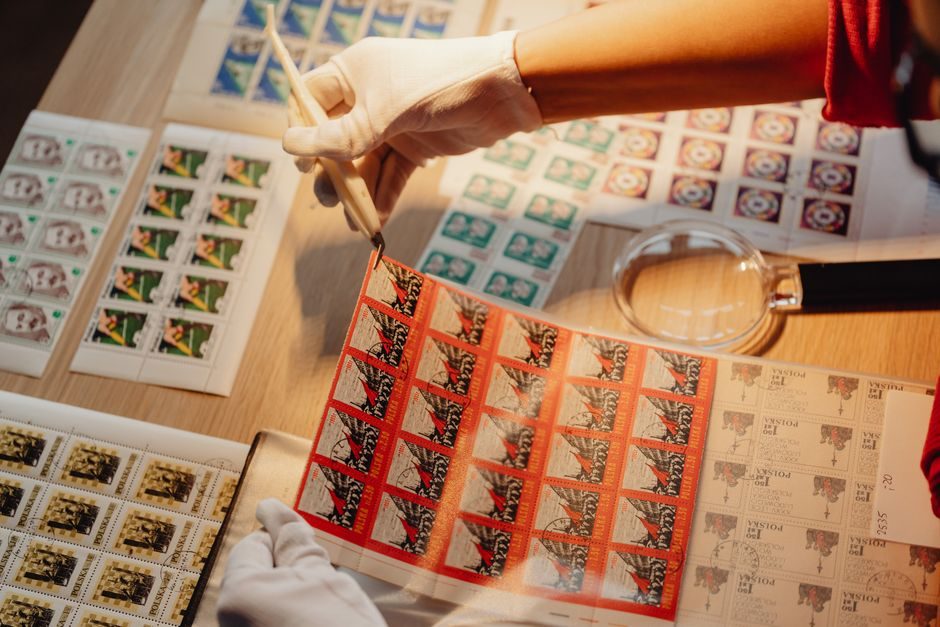
Plan purchases with a buyer’s mindset
Approach buying like a cross between entertainment and investment. Set a budget for each impulse and stick to it to avoid buyer’s remorse. Compare prices across listings to spot fair deals.
Search for bundles or set sales to maximize value without sacrificing condition or provenance. Look for complementary items that enhance a core collection. Bundles can reduce costs and simplify inventory.
Develop a routine for evaluating listings quickly. Create a checklist that covers photos, seller rating, return policy, and shipping terms. A quick, repeatable process saves time and secures better picks.
- Set a budgeting rule
- Look for bundles
- Use a quick evaluation checklist
Frequently asked questions
How can I verify a listing’s authenticityStart with high-resolution photos and compare markings with trusted references. Look for consistent wear and branding across items. When possible, request additional photos from multiple angles.
What should I do if an item arrives as described but damaged?If damage occurs during shipping, file a claim with the carrier and notify the seller. Document the damage with photos and retain packaging for inspection. Communicate clearly and promptly to resolve the issue.
How do I protect myself in a private sale?Use secure payment methods with buyer protections and request detailed item photos. Communicate in the platform’s message system so there’s a record of the agreement. Avoid deals that require unusual payment routes or incomplete disclosures.
Shipping timelines and protectionShipping timelines vary by seller and carrier, so confirm handling time before checkout. Look for estimated delivery windows and tracking updates. Insist on insured shipping for valuable items to minimize risk.
Conclusion
Smart collecting means balancing passion with practicality. Define what you want to collect, and set a clear budget and timeline. Regularly review what you own and what you still need.
Build trust through accurate listings and careful handling. Honest photos, detailed condition notes, and prompt communication reduce friction and speed up trades. Treat every transaction as part of your growing archive.
Add Anime & Manga News as a preferred source on Google


