
Best Buy used items for sale: practical guide for fans
A practical guide for entertainment fans on finding used items for sale in California, with tips, pitfalls, and trusted options to enrich your collection.

If you’re hunting for used items for sale in California, you’re not just saving money—you’re feeding your love of the screen, stage, and stagecraft. This guide shows practical, reader-friendly ways to find bargains without the guesswork. You’ll learn where to look, what to ask, and how to spot quality so your finds actually boost your entertainment setup.
From thrift shops to online marketplaces, the right approach turns secondhand gear into real value. We'll compare common routes, note what tends to hold up, and flag traps that waste time or money. Expect clear steps, concrete examples, and a sensible plan you can follow this weekend.
Whether you’re after vintage movie posters, used audio gear, or pre-loved video game consoles, a calm, methodical search pays off. The goal is to find items that fit your taste and budget while avoiding buyer remorse. Read on to build a quick, reliable framework you can reuse anytime.
- This guide helps you find and evaluate used items for sale in California for entertainment gear and collectibles.
- It outlines where to search, how to assess condition, and how to spot red flags with real-world steps.
- You’ll learn practical options, common traps, and actionable tips for quick, confident purchases.
Basics of finding used items
Where to start searching
Begin with reliable, local sources such as community thrift stores, used bookstores, and consignment shops that specialize in media or collectibles. Check opening hours, return policies, and acceptably priced items before you visit. If you’re pressed for time, call ahead to ask what types of items they typically stock. used items for sale in California offers practical options for fans.
Online routes with care
Online marketplaces offer breadth, but you need filters and a quick judgment system. Look for seller photos, detailed descriptions, and recent activity that suggests reliability. Plan to ask questions about item history, wear, and any included accessories before committing.
How to assess condition
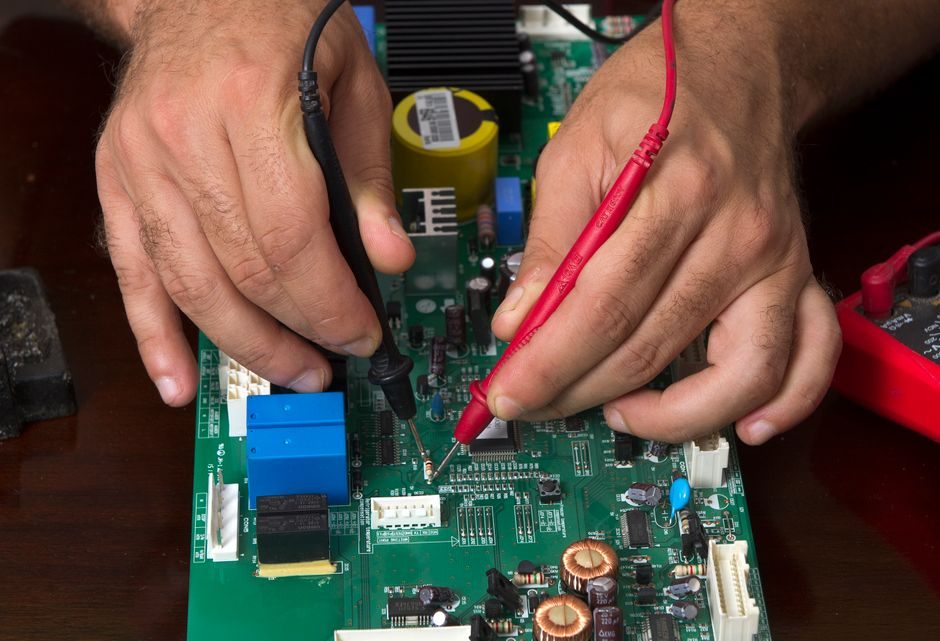
Evaluating wear and function
Assess cosmetic condition and test core functions in person when possible. For electronics, request a power-on test and verify that every port works. For collectibles, inspect for creases, fading, or missing elements that affect value. Wire News Fax online provides a model for quick, trustworthy sourcing.
Options that fit entertainment needs
What to buy for media rooms
Prioritize items that improve your viewing or listening experience without clutter. A clean, compatible setup—like a reliable media player, speakers, or a framed poster—strikes a balance between price and enjoyment. Consider your space, existing gear, and room acoustics when choosing. local events in California this week can reveal opportunities for finds and meet sellers.
| Option | Pros | Cons |
|---|---|---|
| In-person thrift shops | Immediate inspection; support local stores | Limited stock; variable quality |
| Online marketplaces | Large selection; price comparisons | Shipping risk; unclear condition |
| Consignment shops | Quality assurance; curated items | Higher prices; limited inventory |
Common pitfalls to avoid
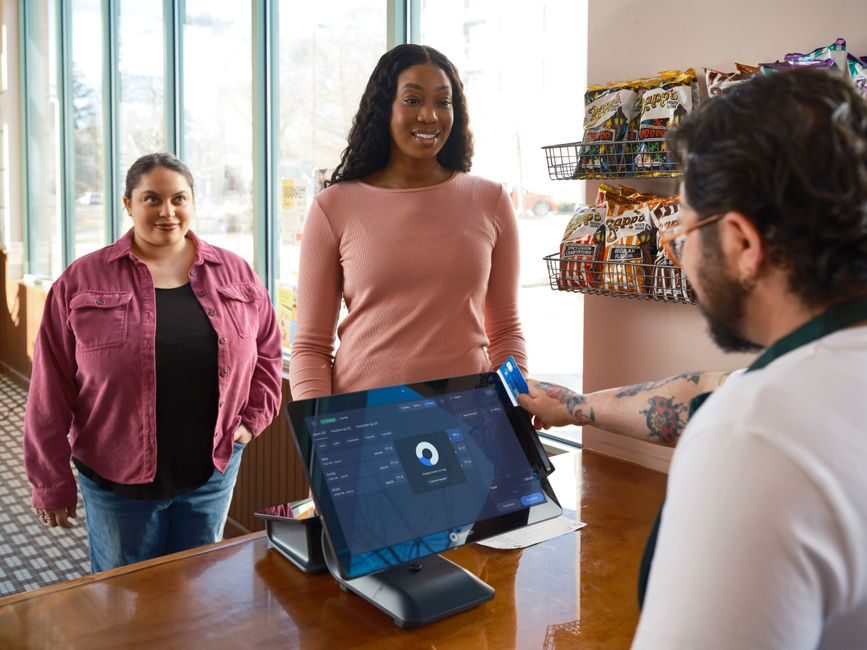
Red flags to watch
Beware listings with vague descriptions or poor photos. A rushed seller or a flaky return policy is a warning sign. If a deal sounds too good to be true, pause and verify item history and seller reliability. add your business to the California business directory helps connect buyers with sellers.
Ask for written terms whenever possible, especially on large purchases like electronics or appliances.
Financing and legal basics
Payment methods and protections
Understanding payment options helps you avoid scams and secure a fair deal. Use traceable methods that offer buyer protection and keep receipts for all transactions. Hidden fees often show up in private sales, so ask for a detailed total before you commit. death notices in California
- Assuming private sales are risk-free and skipping receipts; insist on a written bill of sale.
- Overlooking small print on warranty transfers; verify coverage instead of guessing.
- Paying upfront without tests or demonstrations; request a live demo or return option.
Ask for written terms whenever possible, especially on large purchases like electronics or appliances. Compare store policies to private sellers and note return windows, warranties, and transfer of ownership. Being clear from the start prevents misunderstandings later.
Verify ownership and the legality of the item before paying. For electronics, ensure the device isn’t tied to an existing account and that any required serials align with the listing. If something feels off, walk away and reassess later.
- Choose insured payment methods
- Get receipts and written terms
- Check item ownership and serials
- Know the return policy
Safe buying habits

Verification steps before purchase
Always inspect the item in person when possible and test core functions. For media gear, check discs or drives for scratches and hold power until you’re satisfied with performance.
- Bring a friend for a second pair of eyes
- Test functional features
- Confirm ownership documents
- Note any cosmetic flaws
Ask for serial numbers and model details, then cross-check them with official specs to confirm authenticity. A mismatch is a red flag that warrants a closer look or walking away.
Document the condition with photos and a written note of any faults. This record helps resolve disputes and supports you if a return becomes necessary.
- Inspect in person
- Verify serial numbers
- Take photos and notes
- Request a return option
Community and events
Finding local markets and swaps
Local markets, thrift stores, and swap meets are where real bargains appear. Arrive early, bring a list of must-haves, and be ready to negotiate calmly. People pick through items quickly, so patience pays off.
Ask vendors about item history: where it came from, how it was used, and any prior repairs. A short, friendly conversation often surfaces important details.
Keep notes on promising leads and follow up after the event. A good deal today can lead to a better choice after you’ve seen more inventory.
- Attend weekly markets
- Ask about provenance
- Negotiate calmly
- Follow up after events
Maintenance and care

Caring for second-hand gear
Second-hand gear often requires simpler maintenance than new items. Clean lenses and sensors regularly, and replace obvious wear parts before they fail. Regular care extends lifespan and sustains performance.
- ☐ Set a weekly check of key components
- ☐ Keep original manuals if available
- ☐ Store items in appropriate conditions
Create a quick check routine after use: wipe surfaces, test connections, and store items in a stable environment. Small habits prevent big failures down the line.
Label and organize accessories to avoid mismatches and lost parts. A tidy setup makes it easier to assess value at resale time and keeps your space efficient.
- Regular cleaning routines
- Preemptive part replacement
- Clear labeling and organization
- Documented care history
Frequently asked questions
Can used items be a better value than new ones?Yes. Used items can offer substantial savings and access to models no longer in production. The true value comes from condition, functionality, and the availability of a return or warranty option. Always balance price with risk and test where possible.
Should I buy from online marketplaces or in person?Both have merits. Online marketplaces provide protections and faster comparisons, while in-person buys offer immediate testing and a clearer view of condition. Choose based on item type, risk level, and your comfort with negotiations.
How important is a receipt or bill of sale?Very important. A receipt documents ownership and terms, helps resolve disputes, and supports any warranty claims. If a seller won’t provide one, request a simple written note with item details and price.
What’s the best way to negotiate a discount?Offer a fair price based on visible wear and market value, and be ready to walk away if terms aren’t acceptable. A calm, respectful tone and a clear rationale for your offer improve your chances.
Conclusion and next steps
Takeaway: A structured approach to buying used items minimizes risk while maximizing enjoyment in your entertainment setup. Start with a clear list of must-haves, verify details, and keep a detailed record of each candidate.
Next step: Build a simple system for evaluating potential buys, including a test checklist and a small storage area for pending items.
Add Anime & Manga News as a preferred source on Google


