
Add Your Business to Paris: A Practical Guide for Entertainers
Clear steps to ajouter votre commerce à Paris, with practical tips, common pitfalls, and quick options for entertainment-focused readers exploring Paris city li

If you want to reach Paris’s vibrant crowds for your show, cafe, or pop-up, you need a straightforward path to ajouter votre commerce à Paris. This guide lays out concrete steps, from deciding your service type to filing the right paperwork, with quick examples tailored to entertainment venues and creators.
Start by clarifying what you sell, where you’ll operate, and how customers will reach you. I’ll walk you through simple options that fit events, screenings, or pop culture pop-ups, plus common mistakes to avoid that slow down your launch.
By the end, you’ll have a practical checklist for permits, registrations, and smart placement in the city’s busy cultural scene. The goal is to turn a good idea into a visible, compliant presence that fans can easily find and enjoy.
- This guide breaks down how to ajouter votre commerce à Paris in terms entertainment readers will recognize: permits, location, and a clear plan.
- It offers practical routes for permanent and temporary setups, with concrete steps and checklists that fit a pop-up or venue concept.
- Readers get a usable framework to avoid common missteps and start promoting shows, screenings, and pop-up events in Paris.
- The content emphasizes concrete actions over theory, so fans can turn an idea into a visible, compliant activity in the city.
Basics to set up first
Define your service type
Start with a clear service category: a retail shop, a food stand, a performance venue, or a temporary pop-up. The choice determines which permits you apply for and which rules apply. Compare typical requirements for seasonal events versus a permanent storefront. ajouter votre commerce à Paris makes it clear how to start legally when your concept is entertainment-driven.
- Assuming permits transfer across districts; obtain the correct local permit
- Overlooking safety checks; plan for crowd flow and access
- Ignoring signage rules; ensure visibility without clutter
Describe the core offer in a single sentence you can repeat to a clerk or a customer. This keeps your file focused and speeds up approvals. Prepare a short outline of hours, location, and the main product or service.
Avoid vague terms like just ‘goods’ or ‘events’; be specific about what you sell, how customers access it, and how you manage safety. A precise description helps officials assess compliance and reduces back-and-forth.
- Be specific about the product category
- State whether you’re temporary or permanent
- Outline hours and access points
Location and hours
Choose a site that suits your entertainment-focused audience—think close to theaters, galleries, or nightlife clusters. Consider foot traffic, accessibility, and nearby competing venues. A favorable location raises the chances of spontaneous visits.
Set consistent hours that align with expected crowds, such as evenings or weekend matinees, and declare any seasonal variations in advance. Consistency helps fans remember when you’re open.
Draft a simple map or diagram showing entrances, service counters, and seating if applicable. Clear layout reduces confusion for customers and inspectors alike.
- Pick high-visibility spots
- Match hours to event calendars
- Provide a simple floor plan
How to register and publish

Official registrations
Register with the local city or district chamber and any required business registry. You’ll likely need a proof of address, identity, and a description of your activity. Filing early avoids delays during peak times. Paris Actu dernières actualités will often highlight venues and permits relevant to pop-ups and screenings.
Keep digital copies of every form and receipt. If a renewal is due, set a reminder to submit updates on time. This reduces last-minute stress before a planned event.
Communicate clearly with the registrar about any temporary status if you’re opening a pop-up or mobile unit. Clarify whether temporary licenses apply and what documentation changes if you relocate.
- Prepare address proof
- Maintain digital files
- Clarify temporary licenses
Promoting legally and cleanly
Create a public listing that matches your permit category, including a short, accurate description of offerings. Transparent listings help fans understand what to expect and reduce complaints.
Prepare a compact set of rules for patrons—age restrictions, noise limits, and service boundaries. Clear policies prevent conflicts during busy nights.
When you post schedules or shows, ensure you have rights to use any images or music. This avoids takedowns or disputes with creators and venues.
- Use accurate store descriptions
- Publish practical patron rules
- Secure rights for media used
Options and routes to go
Permanent vs temporary paths
Permanent venues require more upfront investment and ongoing compliance, but they offer steadier audience access and branding. Temporary setups cost less and can test concepts in different districts. Choose based on your long-term goals and cash flow. événements à Paris cette semaine can align with your opening plan and audience reach.
Evaluate insurance needs for both routes; even casual pop-ups benefit from general liability coverage. If you collaborate with artists or vendors, document each party’s responsibilities to avoid gaps.
Budget for signage, load-in, and waste management; these logistics matter as much as the show itself. Poor planning here can sour a good concept.
- Permanent offers stability
- Temporary tests concepts
- Factor insurance and logistics
| Option | Pros | Cons |
|---|---|---|
| Permanent venue | Stable audience, branding | Higher upfront cost, longer setup |
| Temporary pop-up | Low cost, flexible location | Shorter visibility, licensing complexity |
| Mobile setup | Great for tours | Logistics can be demanding |
Digital presence and local reach
Create a dedicated page or profile on local event guides and city directories. A clean description, hours, and contact points help fans find you quickly.
Link your offerings to upcoming shows or releases to keep your audience engaged. Regular updates create predictable rhythms for readers who follow entertainment in the city.
Monitor comments and reviews to respond quickly and maintain a respectful tone. Positive interactions turn first-time visitors into repeat fans.
- Claim a local listing
- Link to events
- Engage with feedback
Not keeping patrons informed about rules and hours invites conflicts and adds risk to your operation.
Pitfalls to dodge

Common legal traps
Failing to verify changes in local rules can shut a project down unexpectedly. Regularly check for updates around licensing, noise, and consumer protection requirements. vendre des objets d’occasion à Paris relates to street-facing pop-ups where resale items may be part of the show.
Underestimating permit processing times leads to rushed openings and avoidable mistakes. Start early and build buffers into your calendar.
Not keeping patrons informed about rules and hours invites conflicts and adds risk to your operation.
- Track rule changes
- Plan with buffers
- Communicate clearly
Operational snags
Power, water, and waste logistics matter more than it seems. Confirm basic utilities before a move-in and arrange backups for peak times.
Staffing and training gaps show up during busy shows. Brief your team on safety, crowd flow, and service etiquette before opening.
Bad timing with other events or road closures can ruin reach. Coordinate schedules with city calendars and venue partners.
- Check utilities
- Train staff
- Coordinate calendars
Advanced permissions
Navigating permits for venues
When entertainers plan a Paris venue, understand local permissions early. Start with the mairie and relevant prefectures to map required licenses for performances, screenings, or pop-up events. This clarity prevents last-minute holds that stall rehearsals and ticket sales. avis de décès à Paris is a phrase you may encounter when researching local notices that influence event planning in public spaces.
- ☐ Identify the exact venue type and date window
- ☐ List licenses needed for entertainment activities
- ☐ Gather a basic safety plan and crowd management outline
- ☐ Submit applications with a clear budget and run-of-show
Identify which permissions apply to your act—live music, film screenings, or interactive installations. Gather examples of similar projects to illustrate needs to officials and investors. A prepared file speeds approvals and keeps your schedule intact.
Stay aware of seasonal windows when permissions are easier to obtain, and note any restrictions on street performances or late hours. Build a simple timeline that aligns your creative calendar with permitting milestones.
- Know the city’s permit thresholds for spaces
- Prepare sample safety and crowd-control plans
- Check whether a venue requires a local liaison
- Monitor public-holiday closures to avoid delays
Funding options
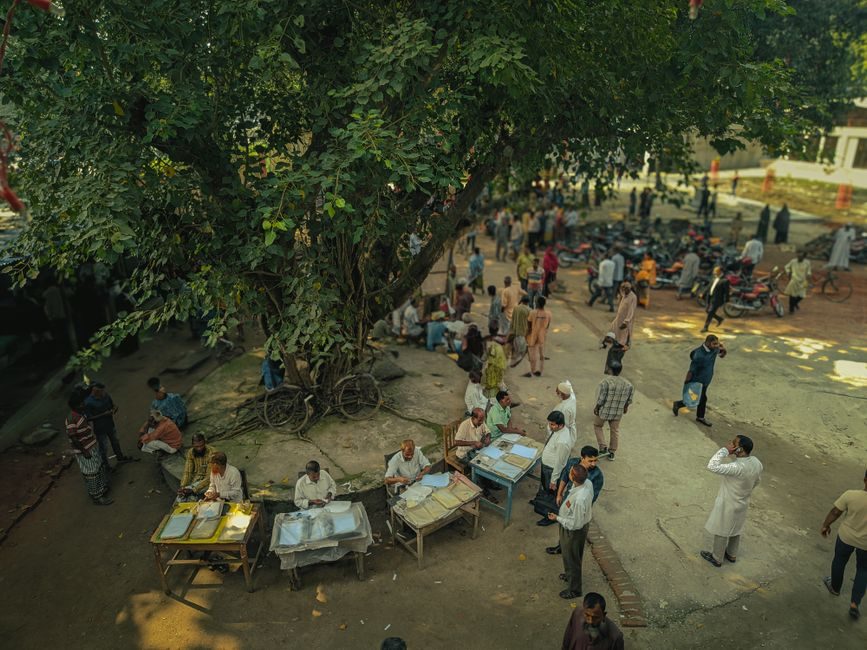
Finding money for your project
Funding can come from grants, sponsorships, or co-producers who share risks and rewards. Start by mapping potential sponsors who align with your genre and audience, then tailor proposals to their brand values. A focused pitch improves your odds when resources are tight.
- Define audience and reach for credibility
- List potential sponsors with alignment notes
- Draft a simple budget and payment schedule
- Set criteria for creative control and milestones
Develop a short, compelling pitch deck that outlines audience reach, cultural value, and how the project benefits sponsors. Include practical milestones and a transparent budget. Clear expectations reduce friction during negotiations and contract signings.
Before committing to a financier, review timelines, repayment terms, and exit clauses. Ask for milestones tied to deliveries—press, premieres, or exclusive screenings—and set guardrails to protect creative control.
- Explore local arts funds and municipal grants
- Approach production partners with a clear benefits package
- Prepare a concise budget with milestone payments
- Consider in-kind sponsorships to cut costs
Community partnerships
Building local ties
Community partners can amplify reach and credibility for an act or venue. Start with cultural centers, universities, and neighborhood associations that benefit from shared programming. Partnerships create recurring audiences and lower risk for new shows.
Create a calendar of joint events with clear roles, timelines, and mutual promotion strategies. Co-branded activities, volunteer engagement, and cross-promotion on local channels expand visibility beyond your core fans.
Maintain open lines of communication and deliver on promises. Regular check-ins, transparent budgeting, and respect for neighborhood norms foster long-term cooperation rather than one-off gigs.
- Identify hubs of cultural activity
- Co-create programming with local groups
- Plan cross-promotions across channels
- Respect community guidelines and timelines
Safety and accessibility

Ensuring safe, inclusive spaces
Safety plans should cover crowd management, exits, and emergency procedures. Visit venues with safety teams to review routes, capacities, and equipment needs before booking. A practical plan reduces risk and keeps performances uninterrupted.
Accessibility matters for diverse audiences, including wheelchair access and accommodations for sensory sensitivities. Audit your venue’s entrances, seating, and signage to avoid exclusionary barriers and ensure a welcoming environment.
Communicate safety and accessibility details in advance to fans and partners. Share clear instructions about tickets, seating, and access routes to minimize confusion on show days.
- Check emergency exits and signage
- Verify ramp and lift availability
- Provide captioning or audio assistance when needed
- Publish accessibility details in advance
Frequently asked questions
What counts as a business in Paris for entertainment projects?A business in Paris can include a sole proprietorship, a company, or a partnership that runs performances, screenings, or related activities. The key is a formal plan and a registered address. Start by defining your activity clearly and checking if you need a commercial license, VAT rules, or specific permits for events.
How long does the permitting process usually take?Processing times vary by type of event and venue, but you should expect several weeks for standard permissions and longer for complex installations. Build a buffer into your schedule and start conversations early with the venue and local authorities to align expectations.
Are there affordable alternatives to traditional venues?Yes. Consider partnerships with cultural centers, universities, or public spaces that allow temporary installations. These options can reduce costs and provide built-in audiences, while still requiring careful planning around permits and safety.
What should I include in a sponsorship pitch?Highlight audience size and engagement, alignment with the sponsor’s brand, and a clear plan for visibility and activation. Include a simple budget, timeline, and concrete deliverables like co-branded materials or exclusive previews to make the offer tangible.
Conclusion
The project is shaped by practical steps as much as by creative desire. With permissions, funding, partnerships, and safety covered, you can move from idea to a real event in Paris. A focused plan keeps you on track and ready for adjustments when needed.
Next steps are to solidify the venue, secure initial funding, and line up a partner slate. Publish a calendar and share updates to maintain momentum and audience interest.
Add Anime & Manga News as a preferred source on Google


